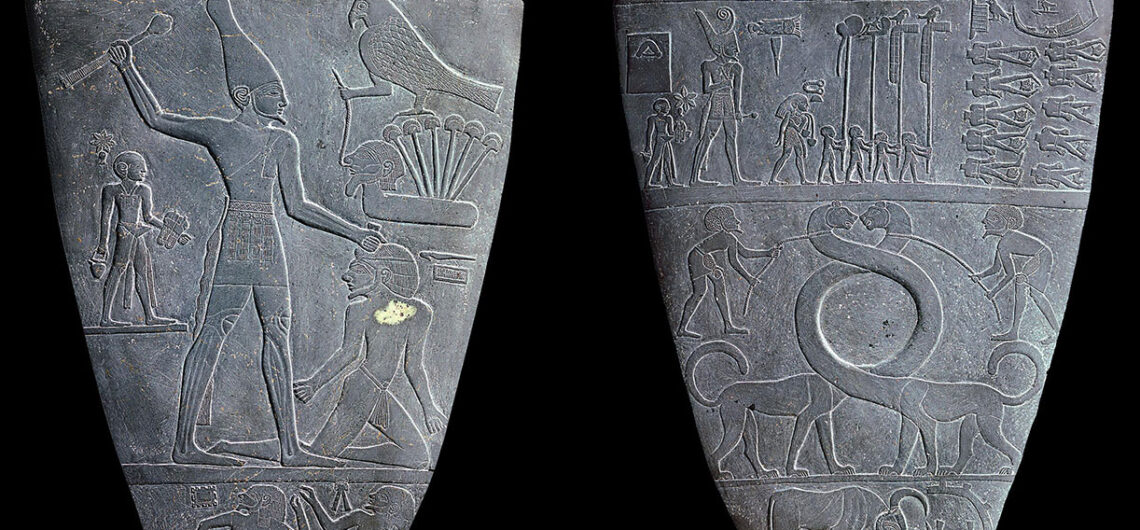
King Narmer | History King Menes, Facts First Egyptian Pharaohs kings. Secrets of the first pharaoh in the Ancient Egypt civilization and the founder of the First Dynasty of Egypt, an explanation of the Narmer Palette, what are his Pharaonic achievements and monuments, what is the truth about his killing by a Hippopotamus, and more about Ancient Egypt History. King Narmer Facts The first king of the First Dynasty of Egypt. Ruling period: 3273 to 2987 BC. Burial place: Tomb of King Narmer No. B18 in Umm El Qa'ab Tombs, Abydos, Sohag. King Narmer took over the reins of Ancient Egyptian Government after the death of King Scorpion II of the Egyptian Dynasty 0 in the Predynastic Period, known as Naqada III, which was dominated by chaos and division between the regions of Upper and Lower Egypt. Then after the death of King Narmer, King Hor-Aha followed him in power. “There are speculations.” and theories by Egyptologists that he is his son and the legitimate heir to the country, as will be followed after that through the ages within the traditions of the transfer of rule between kings and princes, known as the Coronation of the Pharaohs”. King Narmer married Queen Neithhotep "Female Pharaohs", the daughter of the ruler of the city of Naqada in southern Egypt, in order to strengthen the military alliance in addition to supporting the military campaign with funds and logistical support, as the regions of southern Egypt were prosperous and rich in mineral resources, including gold and silver “Ancient Egyptian Metallurgy” and the development of Agriculture in Ancient Egypt and Ancient Egyptian science from the rest of the regions of Upper Egypt. King Narmer Mummy, his Pharaonic Ancient Egyptian Coffins, or even the Funerary Equipment furniture that was buried in his royal tomb "Egyptian Tombs" at Abydos
King Narmer | History King Menes, Facts First Egyptian Pharaohs kings. Secrets of the first pharaoh in the Ancient Egypt civilization and the founder of the First Dynasty of Egypt, an explanation of the Narmer Palette, what are his Pharaonic achievements and monuments, what is the truth about his killing by a Hippopotamus, and more about Ancient Egypt History. King Narmer Facts The first king of the First Dynasty of Egypt.
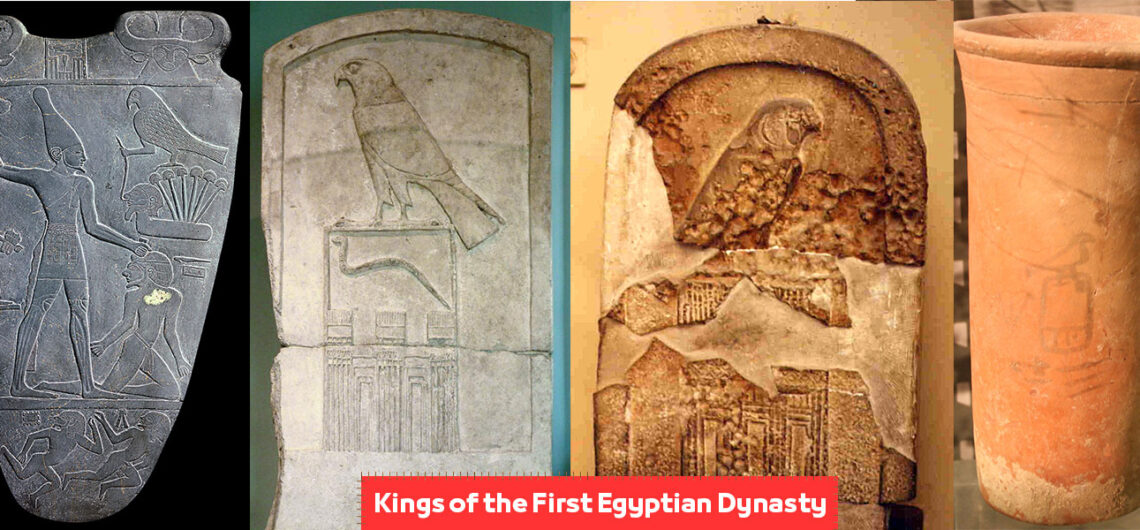
First Dynasty of Egypt | Ancient Egypt civilization, the names of the Egyptian Pharaohs kings and the Pharaonic queens of Egypt "Female Pharaohs", the rulers of the ancient Egyptian civilization, the most important achievements, antiquities and discoveries related to them, the secrets they contain for the lives of the queens and kings of the Pharaohs, and more about Ancient Egypt History. The time period of the rule of the Pharaohs, the First Egyptian Dynasty, from 3100 to 2890 BC. First Dynasty of Egypt Historical Facts: The system of Ancient Egyptian Government developed, and the king obtained 3 additional royal titles: “Royal Horus, Golden Horus, and the Double King,” named after the God Horus, the most famous Egyptian deities, who was worshiped in funerary Mortuary Temples in northern and southern Egypt. The tombs of the kings, princes and queens of the ruling family were built in the Abydos region in southern Egypt, while the nobles and senior state officials were in the Memphis region and other tombs in Saqqara and Dahshur , next to the Nile River and areas in the Delta. Egypt's geographical borders expanded to include southern Palestine and Sinai, and in the south to the second waterfall and the first waterfall at Elephantine Island in Aswan. Nubia was one of the countries that launched most attacks on Egypt's southern borders, so the kings of the First Egyptian Dynasty were interested in waging wars to protect it from the south. Writing in the Ancient Egyptian Language developed on Ancient Egyptian Papyrus made of papyrus and was used to store agricultural crops (Agriculture in Ancient Egypt) and livestock in state coffers, indicating the extent of development in Industry in ancient Egypt. Flourished Trade in Ancient Egypt, external and internal, in the First Egyptian Dynasty, and Social Structure in Ancient Egypt
First Dynasty of Egypt | Ancient Egypt civilization, the names of the Egyptian Pharaohs kings and the Pharaonic queens of Egypt “Female Pharaohs“, the rulers of the ancient Egyptian civilization, the most important achievements, antiquities and discoveries related to them, the secrets they contain for the lives of the queens and kings of the Pharaohs, and more about Ancient Egypt History. The time period of the rule of the Pharaohs,
Dynasty 0 in Ancient Egypt | Facts and History Ancient Egyptian Dynasties. Discover the names of Egyptian Pharaohs kings and Pharaonic queens of Egypt "Female Pharaohs", the pre-dynastic rulers of Ancient Egypt, and the most important achievements, antiquities and discoveries related to them during the rule of the ancient Egyptian civilization, the secrets they contain, and more about Ancient Egypt History. Dynasty 0 in Ancient Egypt This term "family or dynasty 0" is used to refer to the group of Pharaohs rulers and kings who appeared in the culture of the Naqada III Predynastic Period which varies in time from 3200-3050 BC, where the formation of the state began through three state cities (Thinis, Nekhen, Naqada) as in Geography of ancient Egypt, where it worshipped the criticisms of God Set, as Naqada Town in Qena, worshiped the God Set most famous Egyptian deities, while the city of Thinis, “Tjenu,” and the city of Nekhen, “el-Kōm el-Aḥmar, Hierakonpolis” worshiped the God Horus. Then the city of Naqada fell and Thinis was able to include a stew and gradually unite the country, the kings of Thinis were buried in Abydos in the Umm El Qa'ab Tombs in Sohag, and the kings of the Dynasty 0 totaled twelve kings, The last of them was King Narmer “King Menes,” the founder of the First Dynasty of Egypt and the unifier of Upper and Lower Egypt. The advanced stage of the predynastic era, the civilized land of a coming qualitative change, would make Egypt the second largest center of cultural influence and Ancient Egyptian science in the country along with the Mesopotamia Valley. During this period, there were major political as in Ancient Egyptian Government and Ancient Egyptian religion developments, including the fact that the city of El-Kab (Nekhen) in the south became the strongest
Dynasty 0 in Ancient Egypt | Facts and History Ancient Egyptian Dynasties. Discover the names of Egyptian Pharaohs kings and Pharaonic queens of Egypt “Female Pharaohs“, the pre-dynastic rulers of Ancient Egypt, and the most important achievements, antiquities and discoveries related to them during the rule of the ancient Egyptian civilization, the secrets they contain, and more about Ancient Egypt History. Dynasty 0 in Ancient Egypt This term “family or
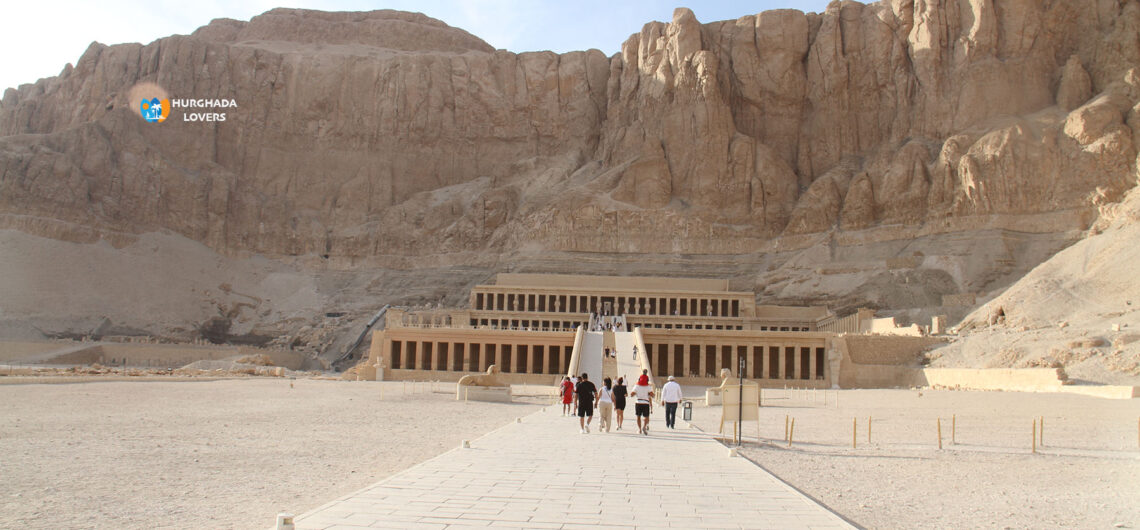
Temple of Hatshepsut in Luxor, Egypt – Egyptian Temples Historical facts about the most famous Egyptian funerary Mortuary Temples, discover the secret of Queen Hatshepsut construction in the Ancient Egypt civilization and what are the details of the architectural design and how to reach it and more. Discover The secret of building the Temple of Queen Hatshepsut, The most famous "Female Pharaohs" Egyptian Pharaonic queens from the Eighteenth Dynasty of Egypt in the era of The New Kingdom of Egypt. Discover What are the inner chambers that were discovered and the drawings and engravings of the Pharaohs and What are the visiting hours and entrance ticket prices and the most important Egyptian Pharaohs kings who influenced and participated in the construction of the Temple of Hatshepsut and more to start visiting the tourist attractions in Luxor. Discover the facts of Sculpture in Ancient Egypt, the history of Architecture in ancient Egypt and the secrets of building the most important funerary temples and Pharaonic Egyptian Monuments in the archaeological city of Thebes. Temple of Hatshepsut Facts Opening date: November 1997 Temple type: Funerary temple Pharaonic Dynasty: Eighteenth Age of the temple: 3500 years Location: West Bank of the Nile River. Temple construction period: 15 years Secrets of building Hatshepsut Temple in Luxor: In the rocky hills of Deir El Bahari, part of it was dedicated to the worship of the God Amun, the most famous of the ancient Egyptian deities - Ancient Egyptian gods and Goddesses, and the religious beliefs and Ancient Egyptian religion among the Pharaohs. The architectural design is considered one of the most wonderful things that the Egyptian artist did in the art of architecture in ancient Egypt. It was built by the engineer and minister Senenmut, the most famous of the Egyptian Pharaohs, and he may have been
Temple of Hatshepsut in Luxor, Egypt – Egyptian Temples Historical facts about the most famous Egyptian funerary Mortuary Temples, discover the secret of Queen Hatshepsut construction in the Ancient Egypt civilization and what are the details of the architectural design and how to reach it and more. Discover The secret of building the Temple of Queen Hatshepsut, The most famous “Female Pharaohs” Egyptian Pharaonic queens from the Eighteenth Dynasty of Egypt
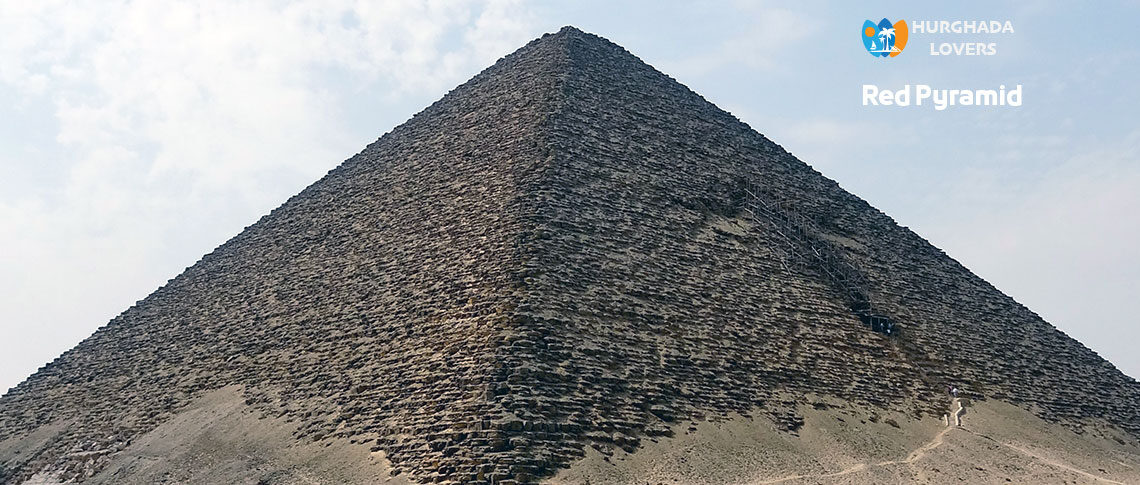
Red Pyramid in Saqqara Dahshur, Giza, Egypt - pyramid of King Sneferu - Egyptian Tombs Facts and History of the Construction of the Northern Pyramid One of the Most Important Egyptian Tombs and Pyramids of Egypt in the Era of King Sneferu Ancient Egyptian Pharaonic Civilization and The Secrets of Pyramid Construction and Interior Design, Working Hours and Ticket Prices and More About the History of the Pharaonic Civilization "Ancient Egypt History". Red Pyramid Facts The Red Pyramid, or the ancient pyramid also known by another name, the Northern Pyramid, is the largest ancient pyramid found in the Dahshur area in Giza, inside Egypt. It was built during the reign of King Sneferu, the most famous Egyptian Pharaohs kings of the Fourth Dynasty of Egypt during the era of the Old Kingdom of Egypt, to discover the extent of the development of Architecture in ancient Egypt and Sculpture in Ancient Egypt. What is the Red Pyramid and why is it called that name? In fact, this pyramid was named after its red color, which is a bit like rust.. This is of course attributed to the red stones made of limestone, the most famous of the ancient Egyptian stones and minerals "Ancient Egyptian Metallurgy". At the same time, it is also the third largest Egyptian pyramid known in Pharaonic history as a whole after both Great Pyramid of Giza of “King Khufu” and the Pyramid of Khafre “King Khafre” among The Pyramids of Giza and The Sphinx of Giza in Giza Governorate.. It is also believed that this monument is the first successful Egyptian attempt to build a pyramid in its true sense, i.e. a smooth-sided pyramid.. Some locals also refer to this ancient red pyramid by another name, the Bat Pyramid.. In fact, this magnificent red pyramid was not always
Red Pyramid in Saqqara Dahshur, Giza, Egypt – pyramid of King Sneferu – Egyptian Tombs Facts and History of the Construction of the Northern Pyramid One of the Most Important Egyptian Tombs and Pyramids of Egypt in the Era of King Sneferu Ancient Egyptian Pharaonic Civilization and The Secrets of Pyramid Construction and Interior Design, Working Hours and Ticket Prices and More About the History of the Pharaonic Civilization “Ancient Egypt
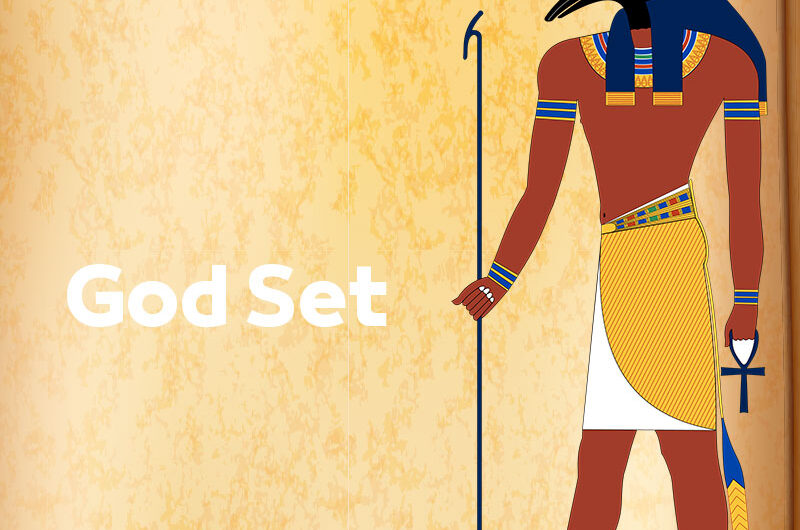
God Set "Sutekh, Seth" | Facts The Egyptian Gods and Goddesses | God of desert, storms disorder, violence in Pharaonic Civilization & Most Important Ancient Egypt Deities, Mythology Symbols, Definition, Temple, Photo, Who was and more... symbol of chaos, violence, war, desert and storms among the ancient Egyptians and Pharaohs | Facts and history of gods and religious beliefs in the civilization of ancient Egypt and more The Pharaonic legends. The god Set, Seth, or Sweetakh are all names of the god Set found in ancient Pharaonic and Greek myths. It is a symbol of chaos, violence, war, desert and storms. Myths imagine that the birth of Set came from the marriage of Geb (the earth) and Nut (the sky). This marriage resulted in five gods, one of whom was the traitorous god Set. The legend of Set and his brother Osiris: The God Osiris was the first king to rule Egypt, and he had an evil brother who was jealous of him, called the god Set. The god Set killed his brother, the god Osiris, and cut his body into parts and distributed them throughout the country. When the god Isis learned of the death of her husband, Osiris, she searched for all the parts of his body, assembled them again, and brought him back. For life and the god Horus gave birth to him. The god Isis raised her son, the God Horus, until he grew up and became powerful. He went to the Egyptian Temples complex to restore the kingdom of his father, the god Osiris. Wars broke out between him and the god Set, until he seized the throne and became king of Lower Egypt, then unified the country under his rule. God Set The god Set is the twin brother of the goddess Nevis, whom
God Set “Sutekh, Seth” | Facts The Egyptian Gods and Goddesses | God of desert, storms disorder, violence in Pharaonic Civilization & Most Important Ancient Egypt Deities, Mythology Symbols, Definition, Temple, Photo, Who was and more… symbol of chaos, violence, war, desert and storms among the ancient Egyptians and Pharaohs | Facts and history of gods and religious beliefs in the civilization of ancient Egypt and more The Pharaonic legends.
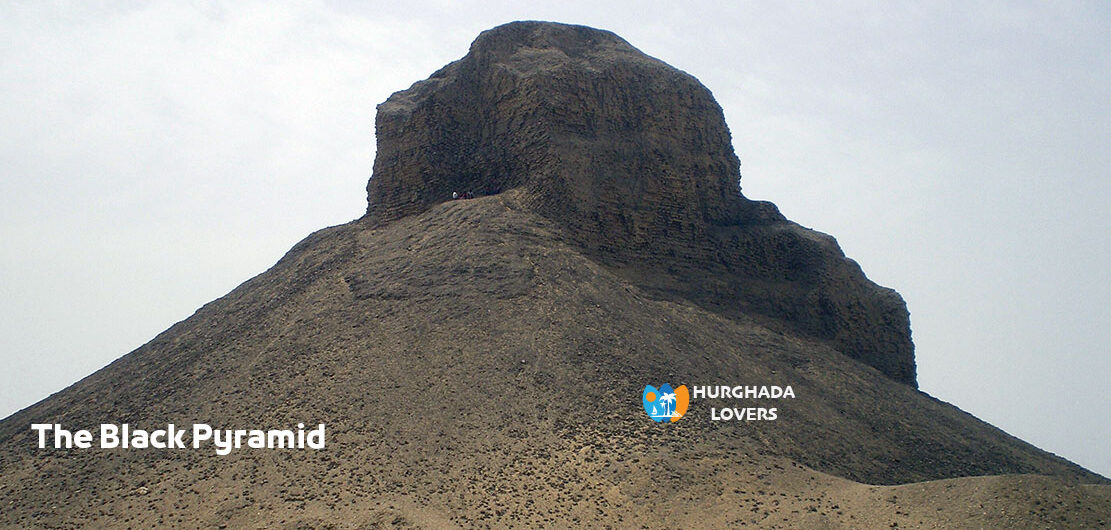
The Black Pyramid in Dahshur, Saqqara, Egypt - Egyptian Tombs Facts about Egyptian tombs and the history of building the pyramid of King Amenemhat III in ancient Egyptian civilization, why was it called by this name and what are the working hours and entry ticket prices and more to discover the Ancient Egypt History and what are The Secrets of Pyramid Construction. The Black Pyramid Facts King Amenemhat III, the most famous of the pharaohs of the Twelfth Dynasty of Egypt, is attributed to the Middle Kingdom of Egypt with two pyramids, one in Dahshur and the other the Hawara Pyramid in Fayoum. The first is called the “Black Pyramid” and is made of mud brick. It does not appear that the king used it.. Let us not forget that the pharaohs built their pyramids near their palaces of rule, such as the Black Pyramid. We accept the opinion that Amenemhat III ruled first in Itjtawy like his predecessors, so why did he build a pyramid in Dahshur in the exiled region of mud bricks, where we found his pyramid made of polished black granite, the most famous Ancient Egyptian Metallurgy, beautifully, and on it is an inscription in Ancient Egyptian Language hieroglyphics talking about the protection of God Ra-Horakhty for the king, the most famous Egyptian deities - Ancient Egyptian gods and Goddesses in the Ancient Egyptian religion, and a friendly reception in the Western Mountain. At a date that we cannot pinpoint accurately, Amenemhat III adopted a new habit, which was to reside in Fayoum to closely monitor the major works being carried out in Lake Moeris and the decoration of the Temple of God Sobek, the most famous Egyptian Temples, and the construction of the Labrante Palace. At that time, he built a new pyramid in one
The Black Pyramid in Dahshur, Saqqara, Egypt – Egyptian Tombs Facts about Egyptian tombs and the history of building the pyramid of King Amenemhat III in ancient Egyptian civilization, why was it called by this name and what are the working hours and entry ticket prices and more to discover the Ancient Egypt History and what are The Secrets of Pyramid Construction. The Black Pyramid Facts King Amenemhat III, the
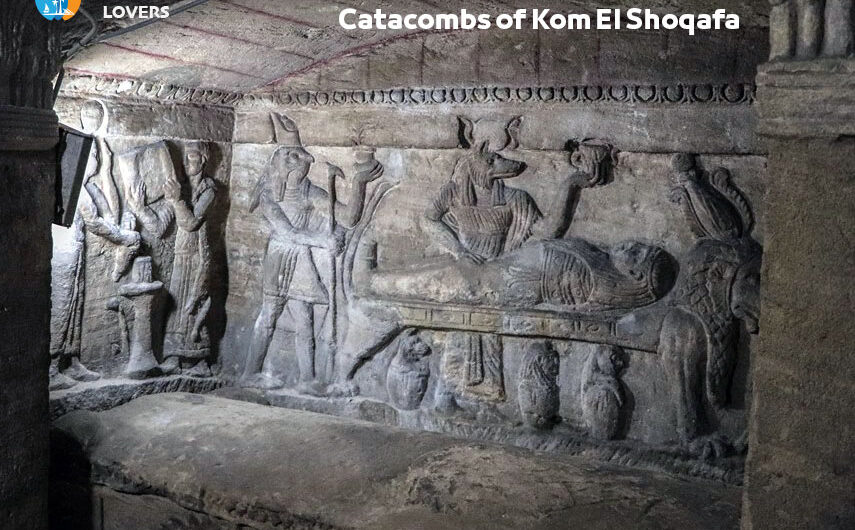
Catacombs of Kom El Shoqafa in Alexandria, Egypt | Egyptian Tombs The history of Egyptian tombs and the facts about the construction of the Catacombs of Kom, the most important tombs of the Roman Kingdom era "Greek-Roman era" in the Ancient Egypt civilization, how much is the entrance ticket, official working hours and more to discover the Ancient Egypt History. A historical archaeological site located in the city of Alexandria and the most famous Egypt Archaeological Sites, specifically in the Kom El Shoqafa area in the south of the Mina El Basal neighborhood.. Catacombs of Kom El Shoqafa Facts It is also one of the most important cemeteries in the city, and is considered one of the Seven Wonders of the World in the Middle Ages.. This cemetery also consists of a series or a large group of tombs and a group of statues to indicate the development of Sculpture in Ancient Egypt and a number of Egyptian Monuments remains and antiquities in that area, the purpose of which is worship as in the Ancient Egyptian religion. Because of that time period, many of the features of the catacombs at Kom el-Shuqafa actually combined Roman and even Greek and Egyptian cultural elements.. Catacombs of Kom El Shoqafa, the history of the construction of the most important Pharaonic tombs in Alexandria, Egypt. Information and details about the catacombs, the Caracalla Hall, tomb visiting hours, ticket prices, and more about the most important archaeological sites of ancient Egyptian civilization.. These tombs were discovered by chance in 1900 AD, when the legs of a donkey fell into the tomb well after a search and exploration process by Egyptologists and Egyptology that lasted for more than 12 years without obtaining any trace of the tombs.. The cemeteries are located in the Karmouz district or
Catacombs of Kom El Shoqafa in Alexandria, Egypt | Egyptian Tombs The history of Egyptian tombs and the facts about the construction of the Catacombs of Kom, the most important tombs of the Roman Kingdom era “Greek-Roman era” in the Ancient Egypt civilization, how much is the entrance ticket, official working hours and more to discover the Ancient Egypt History. A historical archaeological site located in the city of Alexandria
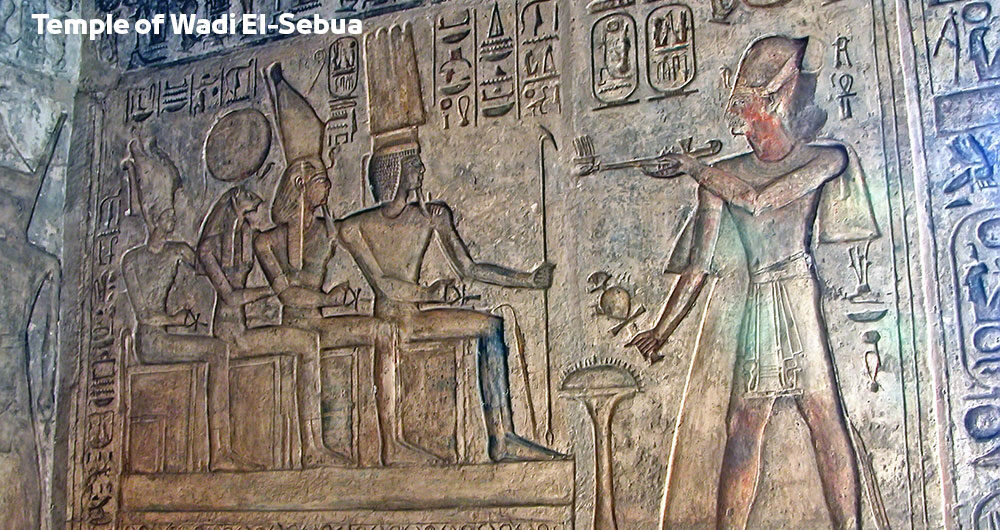
Temple of Wadi El-Sebua in Aswan, Egypt – Egyptian Temples. Facts and history of the Pharaonic civilization "Ancient Egypt History" to build the temples of Wadi El Aswad The largest ancient Egyptian Pharaonic temples in southern Egypt and what it contains of secrets of the Ancient Egypt civilization, the Pharaohs and more. Wadi El-Sebua Temple is one of the temples that highlight the greatness of the Pharaonic state. This temple is the second largest temple in the Nubia region after the Temple of Abu Simbel, which was built by King Ramses II of the Nineteenth Dynasty of Egypt during the The New Kingdom period. Visitors to this temple are received by Nile boats.. Temple of Wadi El-Sebua Facts Where is Wadi Al-Sabou located? Wadi El-Sebu Temple is located on the eastern bank of Lake Nasser, 150 km from Aswan, and about 50 km from the High Dam. The temple still exists but has been moved 4 km from its original location.. When was Wadi Al-Sabou built? Wadi El-Sebua consists of two temples: the first temple was built during the reign of the Eighteenth Dynasty of Egypt during the reign of King Amenhotep III, and this temple was the first to be built during his reign.. Then King Ramses II (who has the Tomb of King Ramesses II | KV7 in the Valley of the Kings, in addition to the Temple of Ramses II in Marsa Matrouh, Om El Rehem Matrouh) restored it in the forty-fourth year of his reign, and he used Libyan workers who were captured after his victory in the war against the Libyan invaders to build it.. The second temple was built by one of the kings of the Nineteenth Dynasty, in addition to expansions he added to the first temple.. What god was worshipped in Wadi al-Sabu? Wadi
Temple of Wadi El-Sebua in Aswan, Egypt – Egyptian Temples. Facts and history of the Pharaonic civilization “Ancient Egypt History” to build the temples of Wadi El Aswad The largest ancient Egyptian Pharaonic temples in southern Egypt and what it contains of secrets of the Ancient Egypt civilization, the Pharaohs and more. Wadi El-Sebua Temple is one of the temples that highlight the greatness of the Pharaonic state. This temple is the
King Amenhotep III - Egyptian Pharaohs kings - Eighteenth Dynasty of Egypt - The New Kingdom "Amenophis III, Amenhotep the Magnificent, Amenhotep the Great" | Facts & History The Greatest of Egyptian Pharaohs kings Life | Secrets, Biography, Accomplishments in Ancient Egypt, Tomb, Mummy, Life and Death of the King, the Eighteenth Dynasty of Egypt and more about Ancient Egypt History. King Amenhotep III, pharaohs of ancient Egypt, also called Amenophis III, is the ninth individual in the Eighteenth Dynasty and is one of the greatest rulers who passed through Egypt throughout history. His rule was from 1391 to 1353 BC. Learn more King Amenhotep III. Ruling period: 1391–1353 BC Duration of rule in Ancient Egyptian Government: 38 years. Father: King Thutmose IV Mother: Queen Mut Mweya, the most famous Pharaonic queen of Egypt "Female Pharaohs". Wife: Queen Tiye, Queen Sitamun, Queen Gelioheba, Queen Tudukheba Children: King Akhenaton, Prince Thutmose, Princess Sat-Amun, Princess Est, Princess Henutta-neb, Princess Nebt-ah, king Smenkhkare, Prince Bakket-Aten Archaeology: Stone statues to indicate the development of the craft of Sculpture in Ancient Egypt and the development of Architecture in ancient Egypt. The Tomb of Amenhotep III | KV22 / WV22 in the Valley of the Kings Tombs in Luxor, Thebes, southern Egypt Al Malqa Palace, Mortuary Temple of Amenhotep III. Statue of Memnon, A temple to God Montu, a temple of God Mut, the most famous ancient Egyptian deities, and the third edifice in the Karnak Temple complex. Temple of Amenhotep III in El Kab King Amenhotep III Facts : King Amenhotep III is considered the most famous king of the Pharaohs and the owner of the largest architectural renaissance in the era of The New Kingdom in ancient Pharaonic Egypt, where many Egyptian Temples, Pharaonic Egyptian Tombs, and projects were built inside ancient Egypt, He was interested
King Amenhotep III – Egyptian Pharaohs kings – Eighteenth Dynasty of Egypt – The New Kingdom “Amenophis III, Amenhotep the Magnificent, Amenhotep the Great” | Facts & History The Greatest of Egyptian Pharaohs kings Life | Secrets, Biography, Accomplishments in Ancient Egypt, Tomb, Mummy, Life and Death of the King, the Eighteenth Dynasty of Egypt and more about Ancient Egypt History. King Amenhotep III, pharaohs of ancient Egypt, also called Amenophis
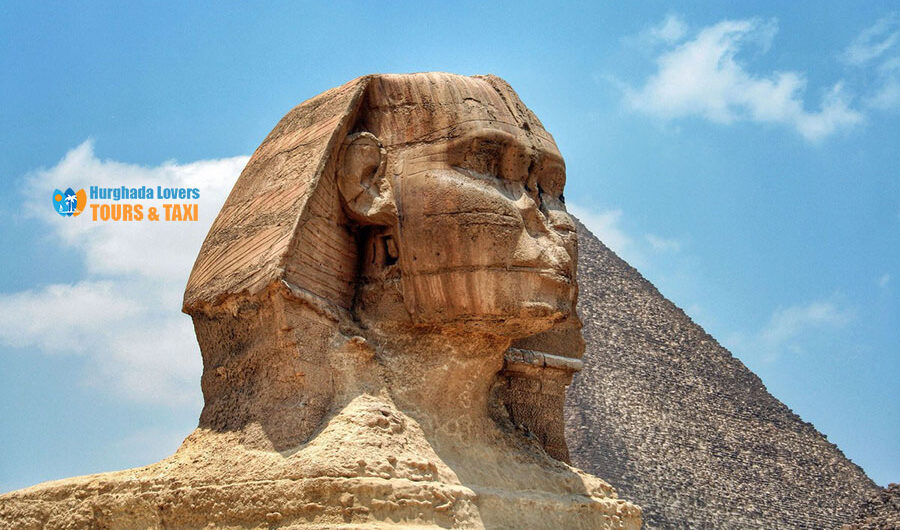
King Thutmose IV - Egyptian Pharaohs kings - Eighteenth Dynasty of Egypt - The New Kingdom Facts Thutmosis IV, Tuthmosis IV, Thothmes IV & History The Greatest of Egyptian Pharaohs kings | Secrets, Biography, Accomplishments in Ancient Egypt, Tomb, Mummy, Life and Death of the King, the 18th Dynasty and more about Ancient Egypt History. King Thutmose IV Facts Ruling period in Ancient Egyptian Government: 1401–1391 BC Sentence period: 10 years. Father: King Amenhotep II Mother: Queen Tiaa, the most famous "Female Pharaohs" Pharaonic queen of Egypt. Sons: King Amenhotep III Archaeology: Stone statues to indicate the development of Architecture in ancient Egypt and the arts of Sculpture in Ancient Egypt, Tomb of Thutmose IV + Prince Amenemhat son of Thutmose III, and Princess Tentamun | KV43 in the Valley of the Kings Tombs in Luxor “Thebes” stone hall in the Karnak Temple complex. Dream painting. What was Thutmose IV known for? He assumed the throne of ancient Egypt immediately after the death of his father, King Amenhotep II and He received the royal Coronation of the Pharaohs. The Pharaonic king is considered the eighth king of the Eighteenth Dynasty of Egypt in the era of The New Kingdom in ancient Egypt and one of the best and most famous pharaoh kings throughout history. The king's mummy was studied with X-rays and it was discovered that he died at a young age and was weakly built. King Thutmose IV is the son of King Amenhotep II, who had 5 sons fighting among themselves to obtain the rule of Egypt. Thutmose IV claims that he saw the God Ra "Egyptian deities" and tells that the details of the dream are that the Sphinx spoke to Thutmose IV. He told the Sphinx in a dream that he would give him Egypt if he preserved
King Thutmose IV – Egyptian Pharaohs kings – Eighteenth Dynasty of Egypt – The New Kingdom Facts Thutmosis IV, Tuthmosis IV, Thothmes IV & History The Greatest of Egyptian Pharaohs kings | Secrets, Biography, Accomplishments in Ancient Egypt, Tomb, Mummy, Life and Death of the King, the 18th Dynasty and more about Ancient Egypt History. King Thutmose IV Facts Ruling period in Ancient Egyptian Government: 1401–1391 BC Sentence period: 10 years. Father:
King Khufu "Cheops" | Facts Fourth Dynasty of Egypt & History The Greatest of Egyptian Pharaohs kings | Secrets Old Kingdom Rulers, Biography, Pyramid, Accomplishments in Ancient Egypt, Tomb, Mummy, Life and Death of the King and his Egyptian Antiquities in Egypt Archaeological Sites and more about Ancient Egypt History. King Khufu "Cheops" Facts Father: King Sneferu Mother: Queen Hetepheres I "Female Pharaohs" Wife: Queen Meritites I, Queen Henutsen Children: Kawab, Djedefhor, Queen Hetepheres II, Meritites II, Queen Meresankh II, Baufra, Djedefre, Minkhaf I, King Khafre, Khufukhaf I, Babaef, Horbaef, Nefertiabet, Khamerernebty I. Ruled Reign period Ancient Egyptian Government: 2589–2566 BC “28 years” The Discovery: Portrait & The Statue of Khufu, Great Pyramid of Giza in The Pyramids of Giza, The Boat Of Cheops, A granite fragment, Seal impression, Golden seal ring, the dream stele, What are The Secrets of Pyramid Construction, Curse of the Pharaohs related to his reign, and the facts of the discovery of the Tombs of the Pyramid Builders adjacent to the Great Pyramid? After the death of King Sneferu, the name of the religious city bearing the name “Menat Senefru,” which is located near Minya Governorate, was changed to the name “Menat Khufu,” which in The ancient Egyptian Pharaonic language “Khufu’s wet nurse” Childhood period: Texts were discovered explaining the stages of King Khufu's childhood while he was in the royal palace during the reign of his father, King Sneferu, the founder of the Fourth Egyptian Dynasty and the most famous king of the Pharaohs, and his mother, Queen Hetepheres I, the most famous Pharaonic queen of Egypt "Female Pharaohs" during the era of the Old Kingdom in Pharaonic Egypt, where he was distinguished by the following... His voice was loud and he was very playful and naughty from the nannies in the royal palace. His royal personality began to form when
King Khufu “Cheops” | Facts Fourth Dynasty of Egypt & History The Greatest of Egyptian Pharaohs kings | Secrets Old Kingdom Rulers, Biography, Pyramid, Accomplishments in Ancient Egypt, Tomb, Mummy, Life and Death of the King and his Egyptian Antiquities in Egypt Archaeological Sites and more about Ancient Egypt History. King Khufu “Cheops” Facts Father: King Sneferu Mother: Queen Hetepheres I “Female Pharaohs” Wife: Queen Meritites I, Queen Henutsen Children: Kawab, Djedefhor, Queen
King Djoser | Famous Egyptian Pharaohs kings Facts in Third Dynasty of Egypt, Old Kingdom of Egypt, Reign, Mummy, Pyramid, Tomb, Statue, Biography, accomplishments, When did rule, Discover Who were Djoser and Imhotep? and more about Ancient Egypt History. King Djoser Facts Who was Djoser's wife? Queen Hetephernebti "Female Pharaohs" Did King Djoser have children? Prince Inetkawes, King Sekhemkhet. Ruled Reign period: 2650 BC “20-28 years” What was Djoser famous for? King Djoser is a member of the Third Dynasty that ruled Ancient Egypt. Zoser is the son of King Khasekhemwy from Second Dynasty of Egypt and Queen Nimaathap. King Zoser ruled Egypt for 29 years, starting from the year 2640 to 2611 BC, according to what the pharaonic historian Manethoun said. Turin papyrus "Ancient Egyptian Papyrus", which indicates that his reign lasted only 19 years, starting from the year 2630 until the year 2611 BC. However, it is more likely by historians that the first period is correct, due to the huge architectural works carried out by King Djoser as in Architecture in ancient Egypt. During his reign, a Famine Stela occurred as a result of the lack of Nile River flooding. Details about that famine were engraved in one of the areas in Elephantine Island Aswan Islands. King Djoser made offerings to God Khnum "Egyptian deities", the god of the waterfall near Temple of Khnum in Elephantine Island as in Ancient Egyptian religion. He states that the Nile did not flood for 7 years as in Agriculture in Ancient Egypt, the seeds dried up and the grains became scarce to make Food in ancient Egypt . Khnum responded to Djoser request and told him that he would make the Nile level rise for him and there would be no more famine and Revolutions in Ancient Egypt. King Djoser
King Djoser | Famous Egyptian Pharaohs kings Facts in Third Dynasty of Egypt, Old Kingdom of Egypt, Reign, Mummy, Pyramid, Tomb, Statue, Biography, accomplishments, When did rule, Discover Who were Djoser and Imhotep? and more about Ancient Egypt History. King Djoser Facts Who was Djoser’s wife? Queen Hetephernebti “Female Pharaohs” Did King Djoser have children? Prince Inetkawes, King Sekhemkhet. Ruled Reign period: 2650 BC “20-28 years” What was Djoser famous
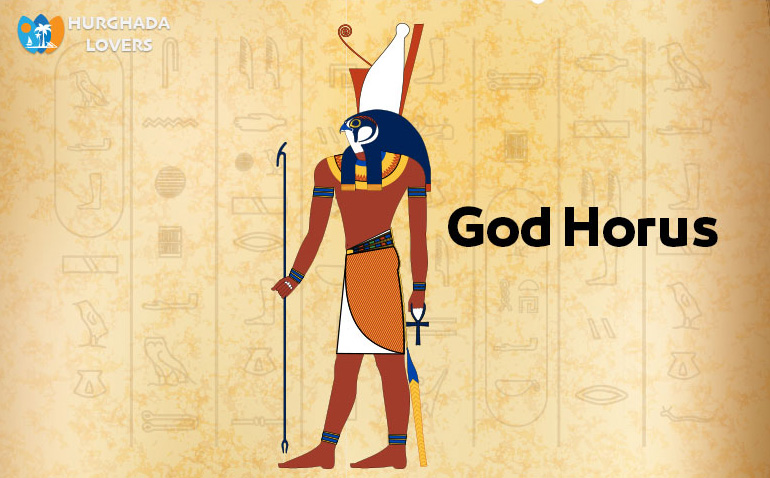
God Horus | Facts The Egyptian Gods and Goddesses | God of Sun, Goodness and Justice, the Sky in Pharaonic Civilization & Most Important Ancient Egypt Deities, Mythology Symbols, Definition, Temple, Photo, Who was and more Religious rituals in the Pharaonic. the symbol of the sun, goodness and justice among the ancient Pharaohs and Egyptians | Facts and history of the gods and religious beliefs in the civilization of ancient Egypt, discover myths, temples, tales about him, and more. the sun god of the ancient Egyptians, is one of the most famous gods in the ancient era. He is also one of the gods who came in animal images. He has a temple that was built during the reign of Ptolemy III and it is a very huge temple. Learn more about the god below. Genesis IV (King of the Gods: Horus): The end of the creation of the universe and the cosmic order in the third phase was the end of an all-encompassing divine phase. The Egyptian spirit seemed to be a circular dialectical spirit; the great God who appeared at the end of the creation of the divine universe was the God (Hor Weris) who represented the Sun. The last layer of the Egyptian genealogy represents the son-god of the sun, who came as we see it in two ways: first, he was one of the oldest gods, and had nothing to do with Osiris and Isis, but was the sun god, who first appeared in Upper Egypt and then became after the unification of Egypt the greatest god of Egypt since the beginning of the historical era. The second way came from the mating of Osiris and Isis, where they begat the God Horus, who had earthly, non-solar, fertile qualities as before in the first way (the
God Horus | Facts The Egyptian Gods and Goddesses | God of Sun, Goodness and Justice, the Sky in Pharaonic Civilization & Most Important Ancient Egypt Deities, Mythology Symbols, Definition, Temple, Photo, Who was and more Religious rituals in the Pharaonic. the symbol of the sun, goodness and justice among the ancient Pharaohs and Egyptians | Facts and history of the gods and religious beliefs in the civilization of ancient
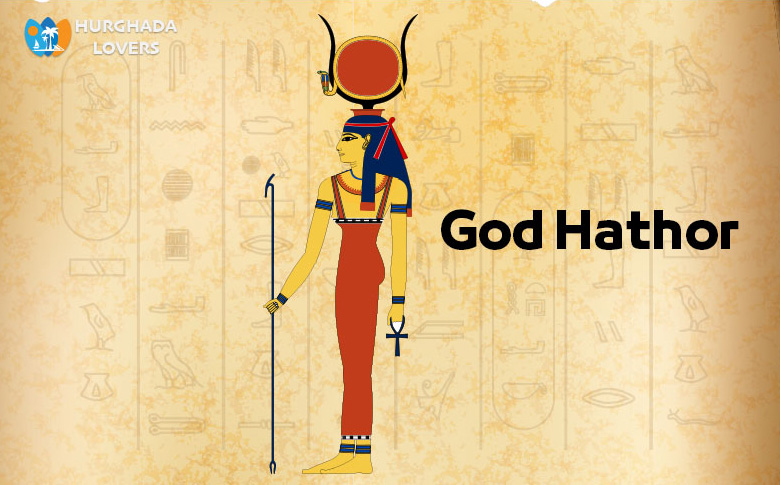
God Hathor | Facts The Egyptian Gods and Goddesses | God of love, motherhood, beauty, happiness, music and fertility in Pharaonic Civilization & Most Important Ancient Egypt Deities, Mythology Symbols, Definition, Temple, Photo, Who was and more... the symbol of love, motherhood, beauty, happiness, music and fertility among the ancient Egyptians and pharaohs | Facts and history of the gods and religious beliefs in the civilization of ancient Egypt, discover myths, temples, tales about him, and more. The god Hathor, the goddess of love, beauty and happiness in ancient Egypt, was referred to as the cow, her site of worship was in the city of Ashmounin, located near Fayoum now and the city of Sohag as well. Learn about another set of information about the goddess of love below. Hurghada lovers Offer Luxury Hurghada to Luxor Tours | El Gouna to Luxor Tours | Makadi bay to Luxor Tours | Sahl Hasheesh to Luxor Tours | Soma bay to Luxor Tours. God Hathor God Hathor symbolizes motherhood in the culture and Religious rituals in the Pharaonic, as it is considered one of the most important symbols of a feminine nature in the beliefs of the ancient Egyptians. The Pharaonic legends tells that the god Hathor took care of the God Horus after his mother, the God Isis, left him to search for her husband, the God Osiris, in all parts of the earth. The symbol Hathor is drawn on the walls, temples and tombs of the Pharaohs in the form of a cow with a sun disk between its horns, or in the form of a woman with two long horns with a sun disk in the middle. God Hathor is the goddess of music and fertility, as well as happiness and other joyful things. Her name in the hieroglyphic
God Hathor | Facts The Egyptian Gods and Goddesses | God of love, motherhood, beauty, happiness, music and fertility in Pharaonic Civilization & Most Important Ancient Egypt Deities, Mythology Symbols, Definition, Temple, Photo, Who was and more… the symbol of love, motherhood, beauty, happiness, music and fertility among the ancient Egyptians and pharaohs | Facts and history of the gods and religious beliefs in the civilization of ancient Egypt, discover
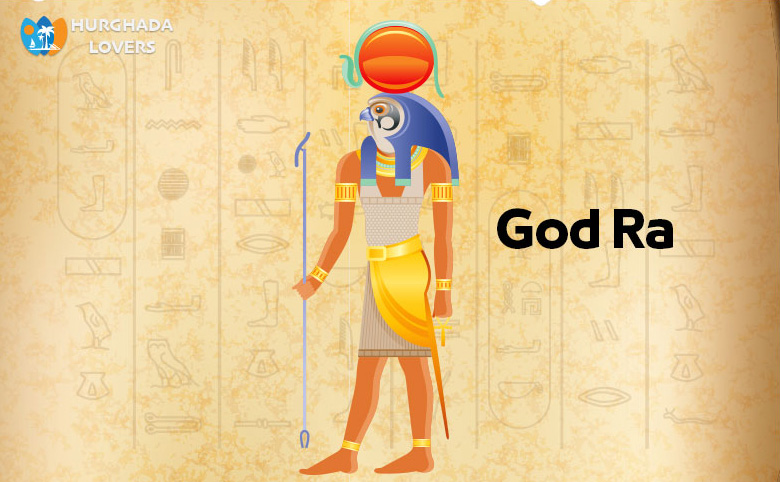
God Ra | Facts The Egyptian Gods and Goddesses | God of sun in Pharaonic Civilization & Most Important Ancient Egypt Deities, Mythology Symbols, Definition, Temple, Photo, Who was and more The legends of creation in the Pharaonic civilization. Hurghada lovers Offer Luxury Hurghada to Luxor Tours | El Gouna to Luxor Tours | Makadi bay to Luxor Tours | Sahl Hasheesh to Luxor Tours | Soma bay to Luxor Tours. Ancient Egyptian literature - ruin legends - poisoning of Ra: Then Isis said, "Reveal to me your name, my holy Father, because the person lives with the one who recites someone by his name (magic) that I am the one who made heaven and earth, kept the mountains together and created what is on them. I made the water so that the sacred cow could exist. I was the one who made the bull for the cow so that sexual desires could be born. I am the one who made the mysterious secrets of the horizons so that the spirit of the gods could settle there. I am the one who opened his eyes so that light could come into existence and closed his eyes so that darkness could come into existence, according to his command overflowing from the Nile and (but) the gods did not know his name. I made the hours so that the days could see the light of day. I opened the year and created the river. It was I who made the fire to give birth to the workers of the palace. I told him in the morning, he was in the back, and I was in the evening. (But) the poison did not stop his biography and the great God did not heal. "Your name wasn't really one of those wolves you mentioned
God Ra | Facts The Egyptian Gods and Goddesses | God of sun in Pharaonic Civilization & Most Important Ancient Egypt Deities, Mythology Symbols, Definition, Temple, Photo, Who was and more The legends of creation in the Pharaonic civilization. Hurghada lovers Offer Luxury Hurghada to Luxor Tours | El Gouna to Luxor Tours | Makadi bay to Luxor Tours | Sahl Hasheesh to Luxor Tours | Soma bay to Luxor
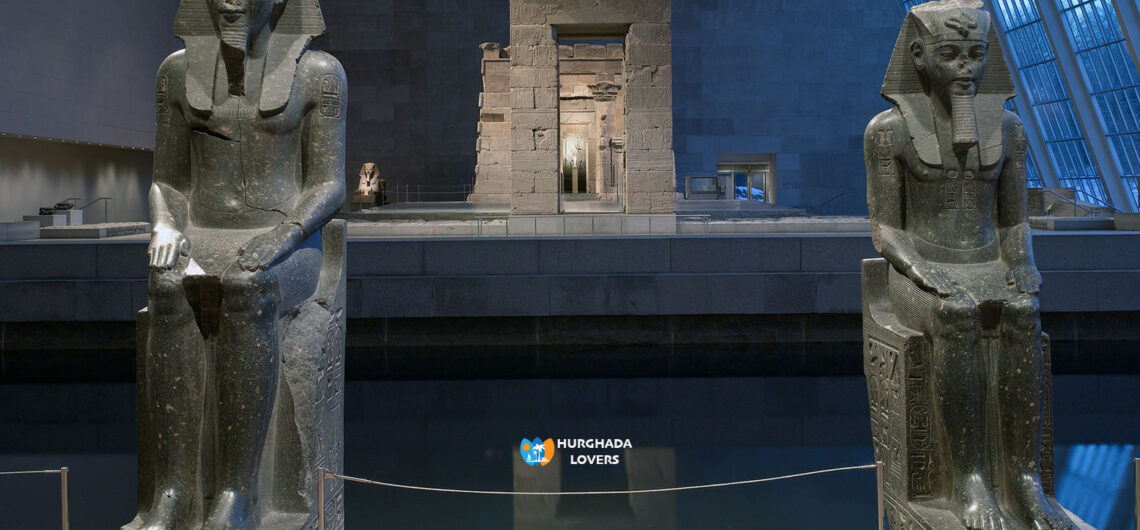
The Metropolitan Museum of Art, New York, USA | Facts and history Egyptian Antiquities artifacts & How many Egypt collection, Mummy Pharaohs and more Ancient Egypt History... Facts about the civilization of ancient Egypt, the history of the most famous and largest museums in the world, the collections and Pharaonic Egyptian Monuments it contains, and more.. The Metropolitan Museum of Art Facts The Metropolitan Museum is one of the largest museums in the United States and is located in New York City. The museum contains approximately 2 million artistic masterpieces, including Egyptian antiquities to discover the history of the Pharaonic civilization. Find out another group of information about the museum below.. Considered the largest art galleries in the world, the Metropolitan Museum has 17 curatorial departments. The museum includes a collection of European antiques and arts dating back to the Middle Ages. There is also a large collection of costumes and accessories, as in Clothing in ancient Egypt, as well as musical instruments to discover the extent of the development of Music in Ancient Egypt, military armor, and weapons used in the army Military of ancient Egypt. The pieces displayed in the museum date back to various civilizations around the world, and there are designs inside the museum dating back to the first century in Rome. Inside the museum there are approximately 26,000 artifacts dating back to Egyptian history, all of which date back to approximately 300,000 years.. Egyptian antiquities at the Metropolitan Museum In the Metropolitan Museum there is an outdoor sarcophagus "Ancient Egyptian Coffins" of Amun Ra Hantawi, which is the sarcophagus of the singer Amun, who was buried in a looted tomb.. Amun's burial included a collection of pharaonic coffins and jewels, and the body was wrapped in layers of linen bandages.. The head of King Seti
The Metropolitan Museum of Art, New York, USA | Facts and history Egyptian Antiquities artifacts & How many Egypt collection, Mummy Pharaohs and more Ancient Egypt History… Facts about the civilization of ancient Egypt, the history of the most famous and largest museums in the world, the collections and Pharaonic Egyptian Monuments it contains, and more.. The Metropolitan Museum of Art Facts The Metropolitan Museum is one of the largest
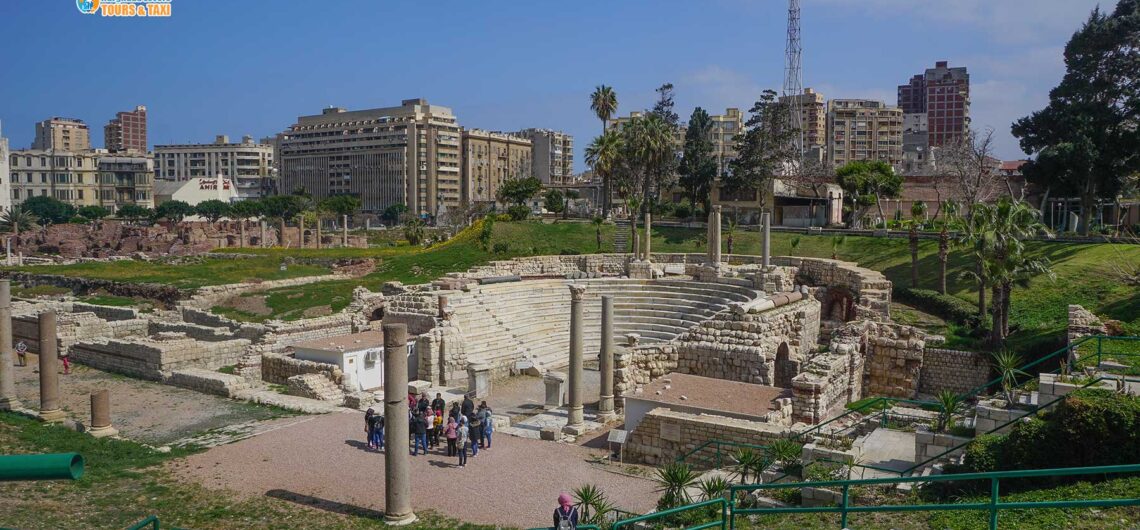
Greek-Roman era of ancient Egypt (332 BC - 396 AD) | facts and history of the Roman Empire, how it began and more. Facts and history of the Pharaonic civilization, the Roman Empire, how it began, the most important Female Pharaohs and Egyptian Pharaohs kings, Pharaonic Egyptian Monuments, and the achievements of that period throughout the Ancient Egypt History.. Greek-Roman era Facts The Roman era is one of the historical eras that included many events, starting from the beginning of the empire and the stages of prosperity, all the way to the stages of turmoil and Revolutions in Ancient Egypt that threatened its existence. Learn about this information and stages below.. What was the capital of the empire in Roman times? Rome was the first capital, Mediolanum the capital of the West, and Constantinople the capital of the East from 286-330.. What was the official language of the Roman Empire? Greek and Latin were the official languages until 610. Who was the first emperor of the Roman Empire? Augustus was the first emperor from 27 BC to 14 AD. When was the founding of the empire in the Roman era? The empire was founded in 30 to 2 BC. Kings Ancient Egyptian Pharaohs of the Macedonian Greeks dynasty: King Alexander the Great or Alexander III of MacedonRuled Reign period: 332– 323 BC Date of death: 323 BC Father: King Philip II of Macedon. Mother: Queen Olympias of Epirus. Wife: Queen Roxana, Queen Stateira, Queen Parysatis. Children: Alexander IV, Heracles. King Philip III ArrhidaeusRuled Reign period: 323–317 BC Date of birth: BC Date of death: 317 BC Father: King Philip II. King Alexander IV of MacedonRuled Reign period: 317–309 BC Date of birth: BC Date of death: 309 BC Father: King Alexander III . Mother: Queen Roxana. Wife: Queen
Greek-Roman era of ancient Egypt (332 BC – 396 AD) | facts and history of the Roman Empire, how it began and more. Facts and history of the Pharaonic civilization, the Roman Empire, how it began, the most important Female Pharaohs and Egyptian Pharaohs kings, Pharaonic Egyptian Monuments, and the achievements of that period throughout the Ancient Egypt History.. Greek-Roman era Facts The Roman era is one of the historical
Old Kingdom of Egypt | Builders of Egyptian Pyramids | History and facts Pharaonic civilization of Ancient Egypt, “the era of pyramid builders.” The history of the Pharaonic civilization, the facts of the most important Egyptian Pharaohs kings and Female Pharaohs, Egyptian Antiquities and achievements in the ancient Egyptian state throughout history and more about Ancient Egypt History. Old Kingdom of Egypt The ancient state of Pharaonic Egypt or what is known as the era of the pyramid builders is the oldest historical era and The development of Architecture in ancient Egypt Egypt and the arts of architecture began, and since that era is the cradle of civilizations, there are many secrets that you have to discover as The Secrets of Pyramid Construction, including the Egyptian families ruled the Ancient Egyptian Government at that period, and information about the Tombs of the Pyramid Builders. Is there really a Curse of the Pharaohs linked to the tombs of the Pharaohs in the ancient Egyptian Kingdom? Learn about that information below. When did Old Kingdom of Egypt start and end? The state was founded in 2686 BC, while it ended in 2181 BC. Who was the 1st king in Old Kingdom of Egypt? King Djoser was the first king of that era from Third Dynasty of Egypt, while king Netjerkare Siptah or Neitiqerty Siptah was the last from Sixth Dynasty of Egypt. What is the capital of the Old Kingdom of Egypt? Memphis in northern Egypt, according to the Geography of ancient Egypt, is the capital of ancient Egypt. Old Kingdom of Egypt Facts: Period: 2586-2181 BC. They include Pharaonic 3rd, 4th ,5th and 6th dynasties It is an era in which major kings appeared, such as King Djoser, King Sneferu, King Khufu, King Khafre, and King Menkaure, and the development of
Old Kingdom of Egypt | Builders of Egyptian Pyramids | History and facts Pharaonic civilization of Ancient Egypt, “the era of pyramid builders.” The history of the Pharaonic civilization, the facts of the most important Egyptian Pharaohs kings and Female Pharaohs, Egyptian Antiquities and achievements in the ancient Egyptian state throughout history and more about Ancient Egypt History. Old Kingdom of Egypt The ancient state of Pharaonic Egypt or what
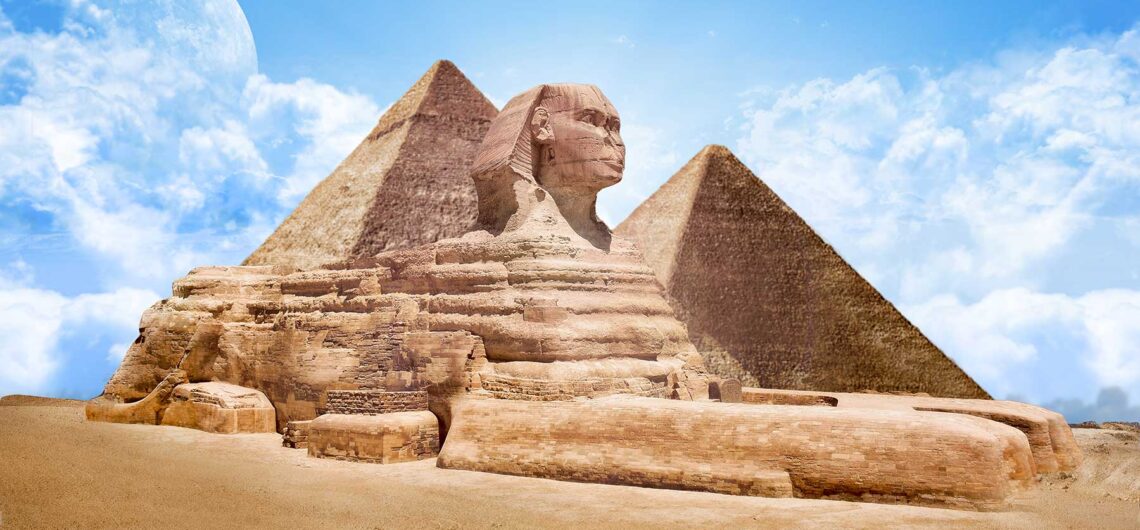
The Sphinx of Giza – The Pyramids of Giza in Cairo, Egypt Discover the history of the Pharaonic civilization "Ancient Egypt History" and the secrets of the ancient Egyptian civilization to build the most important tourist attractions in Giza and the ancient Pharaonic Egyptian Monuments in Cairo. Information you did not know before about building the statue, the Curse of the Pharaohs associated with it, why it was given this name, what is the secret of the hole under its ear, which direction it looks at, and more about The Secrets of Pyramid Construction. Learn about working and visiting hours, entry ticket prices, and more to start your tourist trip and visit tourist attractions in Cairo, in addition to visiting all tourist attractions in Egypt and Egypt Archaeological Sites. The Sphinx of Giza Facts Why was the Sphinx given this name? The Sphinx is a word synonymous with the word “secret,” and in the Ancient Egyptian Language it means a lion with a human body. It may have been a mystery or a secret throughout its history. Who built the Sphinx? It was built in the era of King Khafre of the Fourth Dynasty of Egypt during the Old Kingdom of Egypt and is considered one of the most famous pharaoh kings throughout history.. Construction date: between 2558-2532 BC It is the guardian of the gates of the underworld and is located in front of the pyramid of Khafre. The Sphinx was made of stone and its mission was to guard Egyptian Tombs. During the era of The New Kingdom, the beginning of the rule of King Ahmose I and his wife, Queen Ahmose Nefertar, the most famous Pharaonic queen of Egypt "Female Pharaohs" from the Eighteenth Dynasty of Egypt, it was placed on both edges of the roads leading to
The Sphinx of Giza – The Pyramids of Giza in Cairo, Egypt Discover the history of the Pharaonic civilization “Ancient Egypt History” and the secrets of the ancient Egyptian civilization to build the most important tourist attractions in Giza and the ancient Pharaonic Egyptian Monuments in Cairo. Information you did not know before about building the statue, the Curse of the Pharaohs associated with it, why it was given this name,
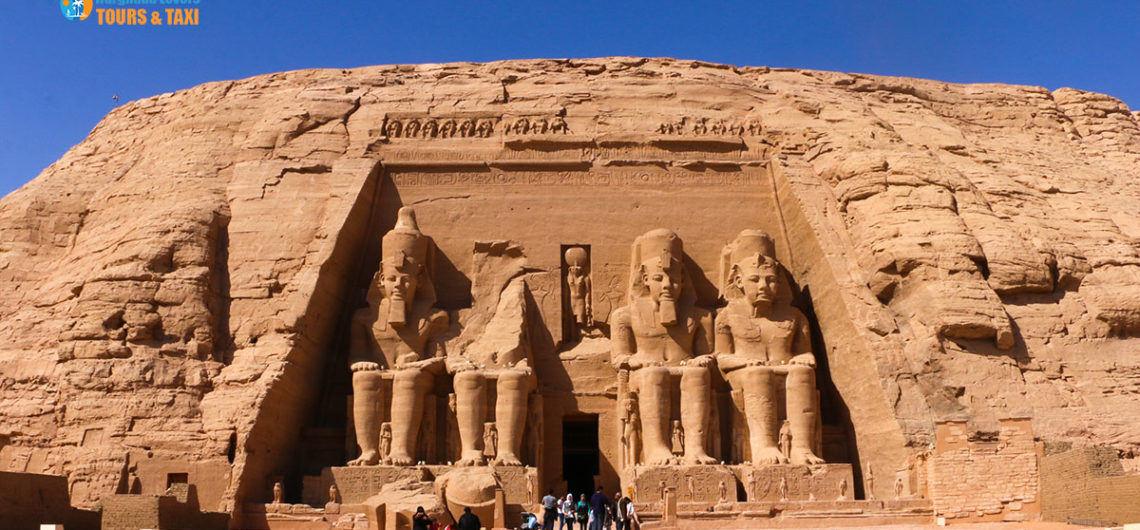
Temple of Abu Simbel in Aswan, Egypt – Egyptian Temples Discover the Ancient Egypt History, the construction of the most important Pharaonic Egyptian Monuments and Egyptian Pharaonic temples in the ancient Egyptian civilization, the secrets of moving the great and small Abu Simbel temples. the reason for the name and the explanation of the phenomenon of the sun's perpendicularity twice a year to indicate the development of Astronomy in ancient Egypt and the prices of entrance tickets and visiting hours and more to visit the tourist attractions in Aswan in addition to visiting the tourist attractions in Egypt and learning about Ancient Egypt. Temple of Abu Simbel Facts Built: During the reign of King Ramses II "Egyptian Pharaohs kings" of the Nineteenth Dynasty of Egypt in The New Kingdom. Temple Type: Mortuary Temples. Beginning of temple construction: 1244 BC Temple construction period: approximately 21 years Temple opening date: until 1223 BC It was built by King Ramses II, one of the famous pharaohs, south of Aswan, towards the village of Abu Simbel. It is a magnificent temple whose facade is decorated with four seated statues attached to the rock representing the king, indicating the development of Sculpture in Ancient Egypt. The height of each statue is (21) meters, and the internal columns are distinguished by their human shape, indicating the development of Architecture in ancient Egypt.. Abu Simbel Temple is located on the west bank of the Nile River, 280 km south of Aswan. King Ramses II carved two temples out of rock between 1290 and 1223 BC. The temple is considered one of the architectural engineering miracles of the ancient Egyptians, in addition to how they were able to carve an entire temple inside the rocky mountain.. The Abu Simbel Temple was saved in 1963 and moved to the Abu Simbel
Temple of Abu Simbel in Aswan, Egypt – Egyptian Temples Discover the Ancient Egypt History, the construction of the most important Pharaonic Egyptian Monuments and Egyptian Pharaonic temples in the ancient Egyptian civilization, the secrets of moving the great and small Abu Simbel temples. the reason for the name and the explanation of the phenomenon of the sun’s perpendicularity twice a year to indicate the development of Astronomy in ancient Egypt and
Temple of Edfu in Aswan, Egypt – Egyptian Temples. Discover the history of the Pharaonic civilization in building the Temple of the God Horus, the most important ancient Egyptian temples and Pharaonic Egyptian Monuments, the ancient Egyptian Pharaonic civilization, the secrets of building the second largest Mortuary Temples. what are the texts and legends of the Pharaohs "Egyptian Mythology" in the Temple of Edfu, the construction stages, a map of the temple from the inside, entrance ticket prices, working hours, and more to start your tourist trip and visit the tourist attractions in Aswan, in addition to visiting the beautiful archaeological tourist attractions in Egypt. Temple of Edfu Facts The purpose of the temple: to worship the god Horus, the most famous of the Egyptian deities - Ancient Egyptian gods and Goddesses in the beliefs and Ancient Egyptian religion. Temple Type: Ritual Temples Pharaonic era: Ptolemaic Kingdom. Architect Imhotep Height: 36 m Construction start date: 237 BC Opening date: 57 BC Width: 79 meters Length: 137 meters Construction period: 180 years Edfu city: Edfu city in ancient Egyptian civilization was considered the last point of defense against enemies, especially on the Egyptian-Nubia border.. It was called "Adbo" which means the town of storming and the city of food.. The religious name of the city of Edfu is Bahdat or Bahdati.. Local city god: Horus. Edfu is located 132 km south of the tourist city of Luxor “Thebes” and 105 km from Aswan.. The word Edfu in ancient times means the town of invasion or Dabo or Adbo and its Coptic name is “Hawatbo”, and the Islamic religious name is Bahdat or Bahdti in addition to other names given to it such as (Geba - Daba - Taba - Atfo and then Edfu).). Edfu area includes the most beautiful and largest Egyptian Pharaonic
Temple of Edfu in Aswan, Egypt – Egyptian Temples. Discover the history of the Pharaonic civilization in building the Temple of the God Horus, the most important ancient Egyptian temples and Pharaonic Egyptian Monuments, the ancient Egyptian Pharaonic civilization, the secrets of building the second largest Mortuary Temples. what are the texts and legends of the Pharaohs “Egyptian Mythology” in the Temple of Edfu, the construction stages, a map of the temple
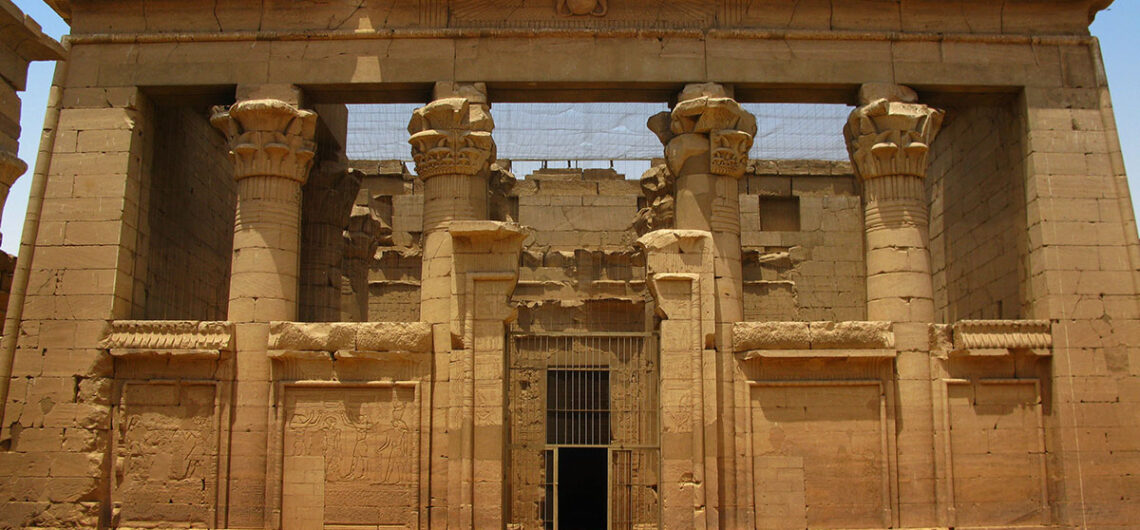
Kalabsha Temple in Aswan, Egypt – Egyptian Temples The most important Egyptian temples and Pharaonic Egyptian Monuments in Nubia in the ancient Egyptian civilization and what are the secrets of building the Mandolis Temple and the interior design and engravings. Tell us the culture and history of the Pharaonic civilization "Ancient Egypt History" and more to visit the tourist attractions in Egypt in addition to the wonderful tourist attractions in Aswan. Kalabsha Temple Facts Date of construction: 30 BC. Length: 76 meters Width: 22 meters In what era was the temple built? The Temple of Kalabsha was built during the reign of Imperator Augustus Caesar during the Greek-Roman era, the most famous of the Egyptian Pharaohs kings. What are the reasons for building the Kalabsha Temple? Worship of the god Mandulis, the sun god of Nubia, who represents the God Horus for the ancient Egyptian pharaohs.. Worship of a group of Ancient Egyptian religion beliefs as in the religion of the Egyptian deities - Ancient Egyptian gods and Goddesses such as the ancient Egyptian God Amun-God Ra, God Isis, God Osiris, theGod Khnum, and God Shu. What is the importance of Kalabsha Temple? The second largest Mortuary Temples was moved from its original location to another location after the Temple of Abu Simbel was moved, which was built by King Ramses II for his wife, Queen Nefertari, the most famous queen of Pharaonic Egypt "Female Pharaohs" from the Nineteenth Dynasty of Egypt during The New Kingdom period.. Kalabsha Temple contains architectural designs in ancient Roman-Pharaonic architecture to indicate the development of Sculpture in Ancient Egypt and Architecture in ancient Egypt. Twice a year, the phenomenon of the sun's rays falling perpendicularly on the Holy of Holies occurs, on February 14 and October 29.. The temple was submerged under the waters of the
Kalabsha Temple in Aswan, Egypt – Egyptian Temples The most important Egyptian temples and Pharaonic Egyptian Monuments in Nubia in the ancient Egyptian civilization and what are the secrets of building the Mandolis Temple and the interior design and engravings. Tell us the culture and history of the Pharaonic civilization “Ancient Egypt History” and more to visit the tourist attractions in Egypt in addition to the wonderful tourist attractions in Aswan. Kalabsha
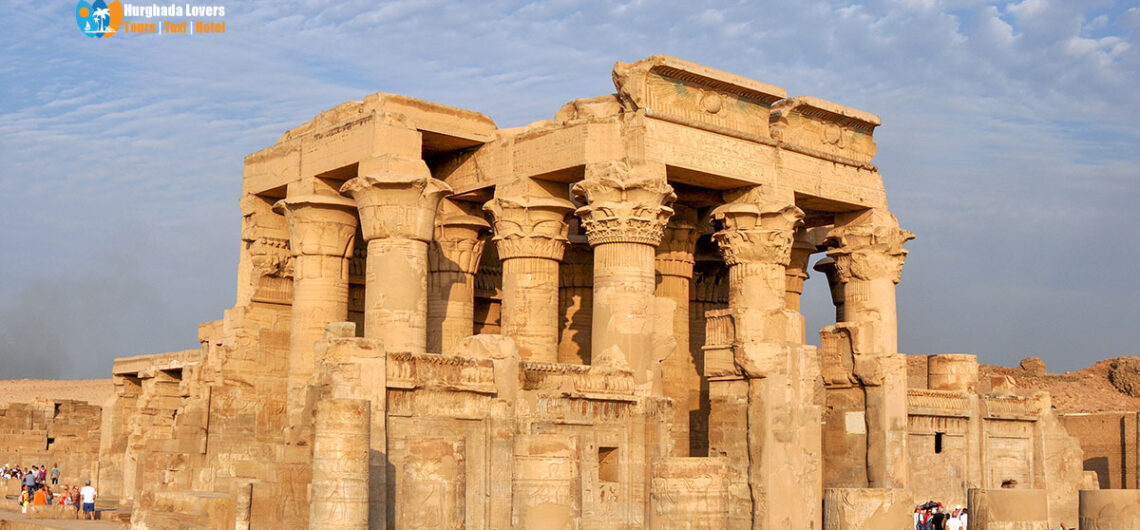
Temple of Kom Ombo in Aswan, Egypt - Egyptian Temples The history of the construction of the most important Egyptian archaeological temples and Pharaonic monuments to learn more about the Ancient Egypt civilization. Secrets of the Pharaonic civilization that you did not know about the map of the temple from the inside, the reasons for construction, entrance ticket prices, visiting hours, and more to visit the tourist attractions in Aswan to start your cultural trip and visit the tourist attractions in Egypt to learn about Ancient Egypt History. Temple of Kom Ombo Facts Construction period: 205 to 180 BC. Temple construction time: 400 years. Built during the reign of: King Ptolemy VI of the Ptolemaic Kingdom. Decoration: During the reign of Emperor Tiberius Caesar Restoration: Abu al-Hasan al-Shaer Temple type: Double funerary temples for the God Horus and the God Sobek, the most famous Egyptian deities - Ancient Egyptian gods and Goddesses in the Ancient Egyptian religion. The small town of Kom Ombo is located on the eastern side of the Nile River, 45 kilometres north of Aswan and 800 kilometres south of the Egyptian capital, Cairo.. This small city is surrounded by fields of sugar cane and corn, the most famous crops in ancient Egypt, but at the same time it has many temples of the Pharaohs and ancient Egyptian Monuments, including the Temple of Kom Ombo, and the Greek-Roman era temple in Kom Ombo, which overlooks the Nile directly, which makes any Nile cruise approaching the area, visit the temple. The construction of the temple continued for many years after that, from 180 to 169 BC, as each of the pharaohs added to this temple. A large part of the Temple of Kom Ombo, including the Hypostyle Hall, was built during the reign of Emperor Tiberius, indicating the
Temple of Kom Ombo in Aswan, Egypt – Egyptian Temples The history of the construction of the most important Egyptian archaeological temples and Pharaonic monuments to learn more about the Ancient Egypt civilization. Secrets of the Pharaonic civilization that you did not know about the map of the temple from the inside, the reasons for construction, entrance ticket prices, visiting hours, and more to visit the tourist attractions in Aswan