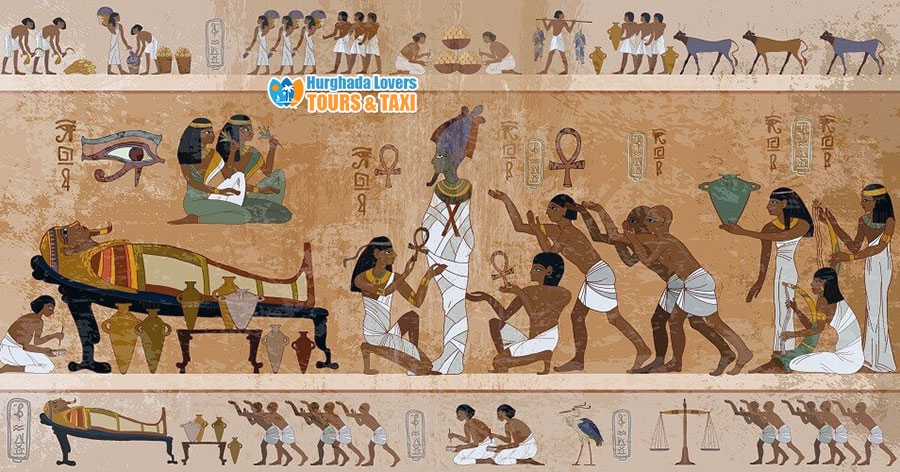
Music in Ancient Egypt | Ancient Egyptian Dance | Singing in pharaohs Facts and What is Traditional Musical Ancient Egyptian Instruments? discover the history of music and singing arts in the Pharaonic civilization and what the ancient Egyptians used string instruments to dance and sing and patterns of love and religious songs discovered on the Pharaonic era. Music in Ancient Egypt From Ancient Egyptian Literature there saying of the Sage Ani From the Eighteenth Dynasty of Egypt in The New Kingdom period in ancient Egypt was mentioned in an Egyptian Papyrus: singing, dancing and incense are the food of the The Egyptian Gods. Music occupied an important place in people's lives and was considered an important royal, popular, and Ancient Egyptian religion art, and there were local Egyptian musical instruments that developed rapidly due to contact with the peoples surrounding Egypt and the entry of some foreign instruments into them, and musical instruments are divided into three main groups: Traditional Musical Ancient Egyptian Instruments Pharaonic Harp Musical Instrument The Harp is the oldest and most common string instrument, a wooden box to amplify sound and produce vertical strings connecting to the wooden leg on its limbs. It was of different sizes, including those placed directly on the floor or fixed on a base, some of which were curved and could reach the length of the musician or higher, and therefore played standing, and the music was played using hands on different chords to obtain two accompanying tones (resolution and response). The harp was made of ebony and decorated with gold "Ancient Egyptian Metallurgy" and precious stones. What type of instrument is a harp? The wooden box and wooden leg were being worked as in Industry in ancient Egypt. The number of strings of a harp varies from 9-19 strings and
Music in Ancient Egypt | Ancient Egyptian Dance | Singing in pharaohs Facts and What is Traditional Musical Ancient Egyptian Instruments? discover the history of music and singing arts in the Pharaonic civilization and what the ancient Egyptians used string instruments to dance and sing and patterns of love and religious songs discovered on the Pharaonic era. Music in Ancient Egypt From Ancient Egyptian Literature there saying of the Sage
Revolutions in Ancient Egypt timeline | Conflicts & Egyptian Revolution, History and Facts Rebellion in the Land of the Pharaohs and more about Ancient Egypt History. The history and secrets of the 10 most important revolutions of the ancient Egyptian Pharaohs. the facts and causes of the starving revolution and the workers' revolution under the reign of King Ramses III and more for the most important features of the Pharaonic civilization. Revolutions in Ancient Egypt Ancient Egypt experienced social and political revolutions at the beginning of its history, and these revolutions can be classified as revolutions (social, economic, religious, liberal, political), and we will describe them all here in their historical sequence: Revolutions in Ancient Egypt hungry revolution: What caused the famine in ancient Egypt? This happened after the collapse of the Old Kingdom, a poor-led social revolution in the First Intermediate Period after the collapse of the Old Kingdom, and it is likely that the era of King Pepi II from Sixth Dynasty of Egypt either paved the way for him, but it happened during the reign of king Merenre, who lost his life killing his subjects. You can refer to the writings of Ipuwer Papyrus and The Eloquent Peasant story one of Ancient Egyptian Literature, Papyrus Harris I, Prophecy of Neferti, Papyrus despairing of life with his Ba and the Commandments of King Meryibre Khety "Meryibtawy" to his son Meri Ka Ra, The period of the Egyptian Pharaohs kings, the Tenth Dynasty of Egypt which are the sources of our knowledge of this revolution. The revolution before the entry of the Hyksos: This happened after the death of King Amenemhat III from Twelfth Dynasty of Egypt during Middle Kingdom, where the economic and political conditions of Egyptian society deteriorated and the independence of the regions and their princes
Revolutions in Ancient Egypt timeline | Conflicts & Egyptian Revolution, History and Facts Rebellion in the Land of the Pharaohs and more about Ancient Egypt History. The history and secrets of the 10 most important revolutions of the ancient Egyptian Pharaohs. the facts and causes of the starving revolution and the workers’ revolution under the reign of King Ramses III and more for the most important features of the Pharaonic
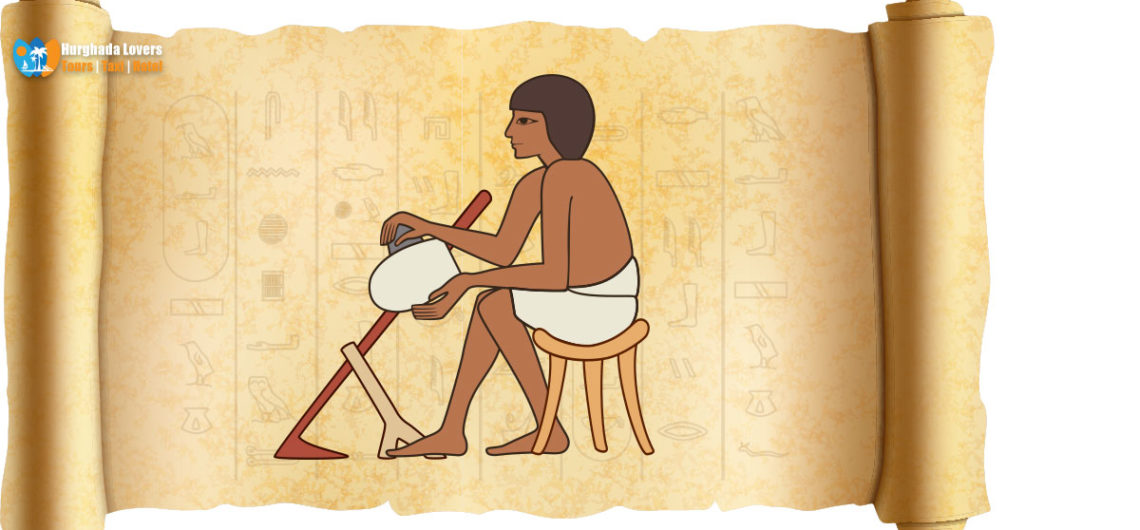
Sculpture in Ancient Egypt | Historical facts about the decorative arts and the art of drawing in the ancient Egyptian civilization, the most important architects and sculptors in the history of ancient Egypt art, and more Ancient Egypt History. the facts and history of the development of prominent stereoscopic and pharaonic sculpture, discover the secrets of the construction of the Sphinx and all the sculptures of the ancient Egyptian pharaohs and more about the culture of the Pharaonic civilization. Sculpture in Ancient Egypt Sculpture in Ancient Egypt in the Old Kingdom: Stereoscopic Sculpture in Ancient Egypt: A seated statue of the King Khasekhemwy "Egyptian Pharaohs kings" from Second Dynasty of Egypt, one of the oldest Egyptian Antiquities. The king is depicted wearing the crown of Upper Egypt sitting on his throne with his left hand clenched on his chest while his right-hand rests on his knee, and the pedestal is adorned with inscriptions depicting the defeated enemies of Lower Egypt. The king's face shows the prestige and majesty of the king. There are statues from the First Dynasty of Egypt era including that of a man in robe with the concealment of male organs that will become common in the coming times, and a statue of a woman with clenched hands. From the Second Dynasty is a clearly marked statue of a woman who puts her left hand on her right breast. Sculpture in Ancient Egypt: Obelisks of Pharaohs Why did the Egyptians build obelisks? The Obelisks of the Pharaohs are towers or a stone column with a thin thickness, and this column comes on four sides with a head resembling a small pyramid. Obelisks of the Pharaohs were used in the past to inscribe Hieroglyphic writings "Ancient Egyptian Language" and religious drawings on them as in Ancient Egyptian religion,
Sculpture in Ancient Egypt | Historical facts about the decorative arts and the art of drawing in the ancient Egyptian civilization, the most important architects and sculptors in the history of ancient Egypt art, and more Ancient Egypt History. the facts and history of the development of prominent stereoscopic and pharaonic sculpture, discover the secrets of the construction of the Sphinx and all the sculptures of the ancient Egyptian pharaohs
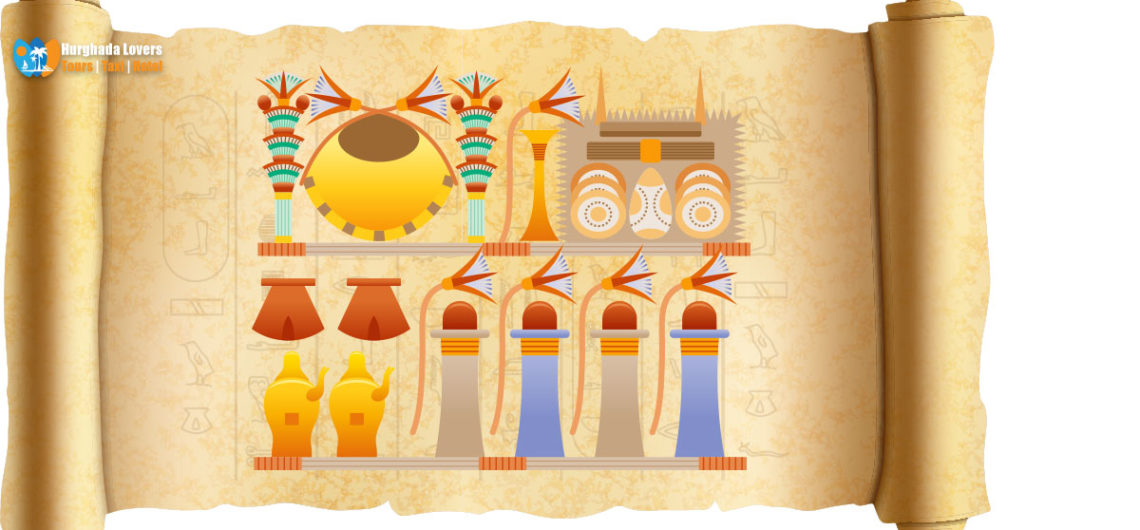
The Egyptian Lotus Flower | Nymphaea lotus in Ancient Egypt The Pharaonic Lotus Flower and its religious importance in the life of the ancient Egyptians in the civilization of ancient Egypt, history and facts about the importance of the lotus flower when the legendary Pharaohs, funerals, political, therapeutic, sexual, industrial, food and more about Ancient Egypt History. The Egyptian Lotus Flower | Nymphaea lotus in Ancient Egypt What does the Egyptian lotus flower mean? The lotus flower enjoyed a great sacred place in the life of the ancient Egyptians as in Ancient Egyptian religion, and the lotus is a flowering aquatic plant named after the word given by the Greeks (Lotaz), a family of "water lilies", with flowers characterized by petals or circular leaves and the cylindrical cornea prominent from the center to the top. Floating on the surface of the water are its colorful flowers (white, red, pink) and the aromatic flowers have a long and thin stem, appearing on soft leaves resembling an inverted blue-green umbrella that can reach a diameter of up to two feet and gives the lotus its distinctive shape in water ponds. The river lotus appears in the waters of rivers and open at dawn and close in the absence of the sun for five days as in Egyptian Mythology, and after the end of the fifth day, the flower petals fall to show in their place a green pod of a curved shape. How many types of lotus flowers are there? blue lotus flower blue lotus flower, known as the "Blue Beshneen", kills bees and is therefore called the bee killer. Known as "Sarbat", from which comes the Egyptian word "sharps", which is used to describe all that is beautiful, and its scientific name Carryl Nymphae, that is, the blue juria, which is
The Egyptian Lotus Flower | Nymphaea lotus in Ancient Egypt The Pharaonic Lotus Flower and its religious importance in the life of the ancient Egyptians in the civilization of ancient Egypt, history and facts about the importance of the lotus flower when the legendary Pharaohs, funerals, political, therapeutic, sexual, industrial, food and more about Ancient Egypt History. The Egyptian Lotus Flower | Nymphaea lotus in Ancient Egypt What does the
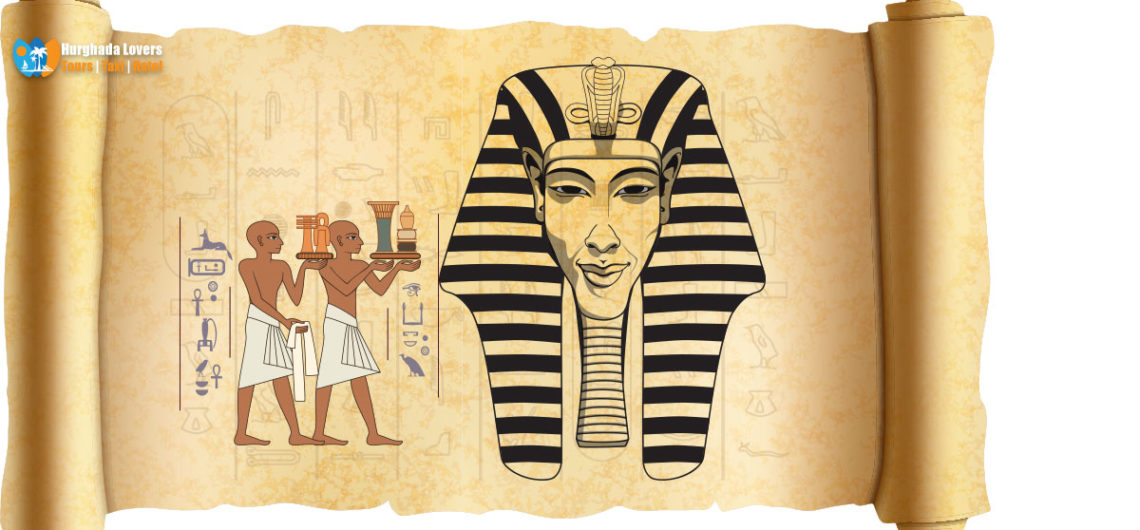
Ancient Egyptian Government | Governance and Politics in Ancient Egypt Facts, The Pharaonic political pyramid starting with the Pharaohs’ kings, ministers, priests, and more about Ancient Egypt History. the classes of ancient Egyptian society, what was the first political authority in Pharaohs, and the most prominent aspects of Egyptian civilization, how was the monarchy and the pyramid of power in the civilization of ancient Egypt, and how were the elements of government in Pharaonic Egypt governing the king, Female Pharaohs, prince, crown prince on Festivals in Ancient Egypt of pharaonic civilization and what are the secrets of the moral and physical immortality of the king? What royal titles did the king receive? And no more secrets of the monarchy. The system of government in ancient Egypt is created on a purely divine basis, where the Egyptian Pharaohs kings of the pre-dynastic era as Predynastic Period and Naqada III were the gods who ruled Egypt, and Egyptian writings say that the country was ruled by the gods who ruled Egypt, the world and the universe, and perhaps the first ruler was the God Atum God Ra who created the universe, the people and their domination as in Ancient Egyptian religion. This explains the divine origin of the monarchy in the Nile River Valley, then came after other kings, even if we reach the pre-dynastic era, the gods are incarnated in human beings, the last of which, at that time, King Narmer from First Dynasty of Egypt, who united the country and established a strong central government in which he was Hor (God Horus), is in the form of a living god visible in the form of a human being and who has all the rights of the well-known The Egyptian Gods. Ancient Egyptian Government Therefore, the political and social basis on
Ancient Egyptian Government | Governance and Politics in Ancient Egypt Facts, The Pharaonic political pyramid starting with the Pharaohs’ kings, ministers, priests, and more about Ancient Egypt History. the classes of ancient Egyptian society, what was the first political authority in Pharaohs, and the most prominent aspects of Egyptian civilization, how was the monarchy and the pyramid of power in the civilization of ancient Egypt, and how were the elements
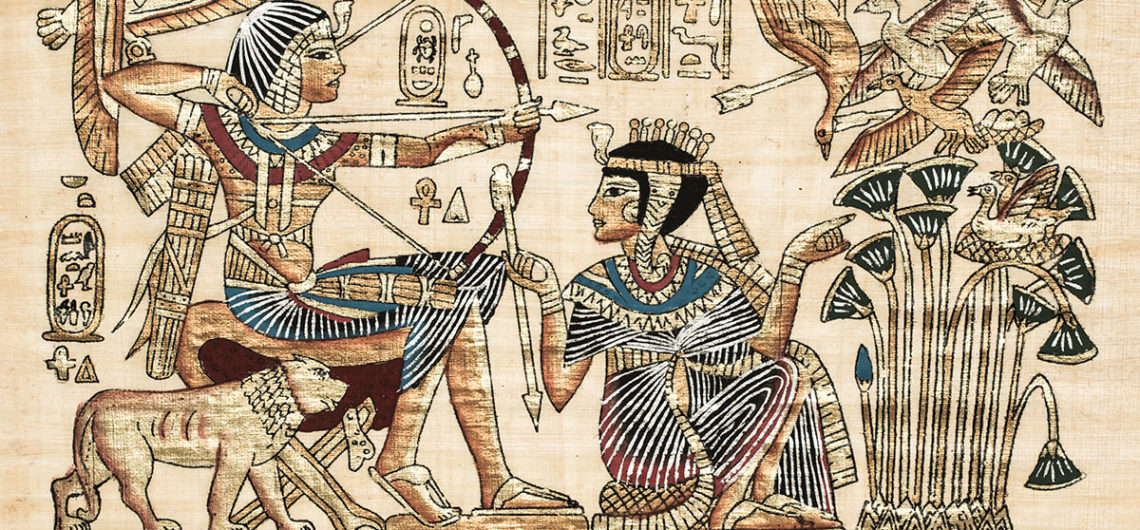
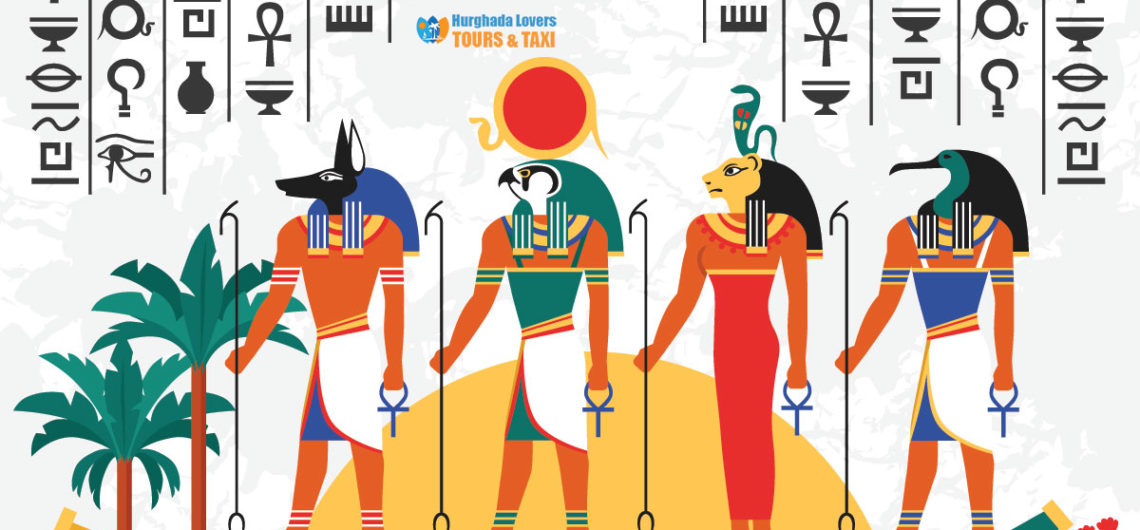
Ancient Egyptian religion | Religious Beliefs and Rituals in Ancient Egypt, Funerary Doctrines and Historical Facts Ancient Egyptian Religion Pharaohs, Aaru Secrets and More Ancient Egypt Facts. Facts and history of the main components of the Egyptian religion in the Pharaonic civilization and the secrets of the priestly institution and property of the Pharaohs. The main components of religion are (religious community, rituals, Legends of the Pharaohs, ends) and the secondary components are (morality and laws, sacred narratives, religious community, esotericism), and in this chapter we will study these six components of Egyptian religion in great conclusion. Ancient Egyptian religion Facts: The foundation of the religion of the Pharaohs "Ancient Egyptian religion" was built on good morals and good values in dealings among themselves and the application of the law to all ancient Egyptians and among Egyptians of the ruling family to achieve justice.. Religious values and principles were written in the Book of the Dead, “The Book of Exodus to Daylight,” in order to apply the beliefs of the ancient Egyptians to it. The Funerary Texts of the Book of the Dead are considered among the oldest texts that have been written and preserved so far in the Library of Alexandria, and it is considered one of the oldest preserved books in human history that have been discovered so far.. The ruling pharaoh king was the mediator between the common people and the Egyptian gods. He used to deceive Ancient Egyptians that he was the only one chosen by the god to be his successor on earth and the mediator between them. He was responsible for implementing justice on earth. He was assisted by the priests of the temples, such as the priests of the temple of Amun Ra, and sometimes he appointed himself. A god who is worshiped,
Ancient Egyptian religion | Religious Beliefs and Rituals in Ancient Egypt, Funerary Doctrines and Historical Facts Ancient Egyptian Religion Pharaohs, Aaru Secrets and More Ancient Egypt Facts. Facts and history of the main components of the Egyptian religion in the Pharaonic civilization and the secrets of the priestly institution and property of the Pharaohs. The main components of religion are (religious community, rituals, Legends of the Pharaohs, ends) and