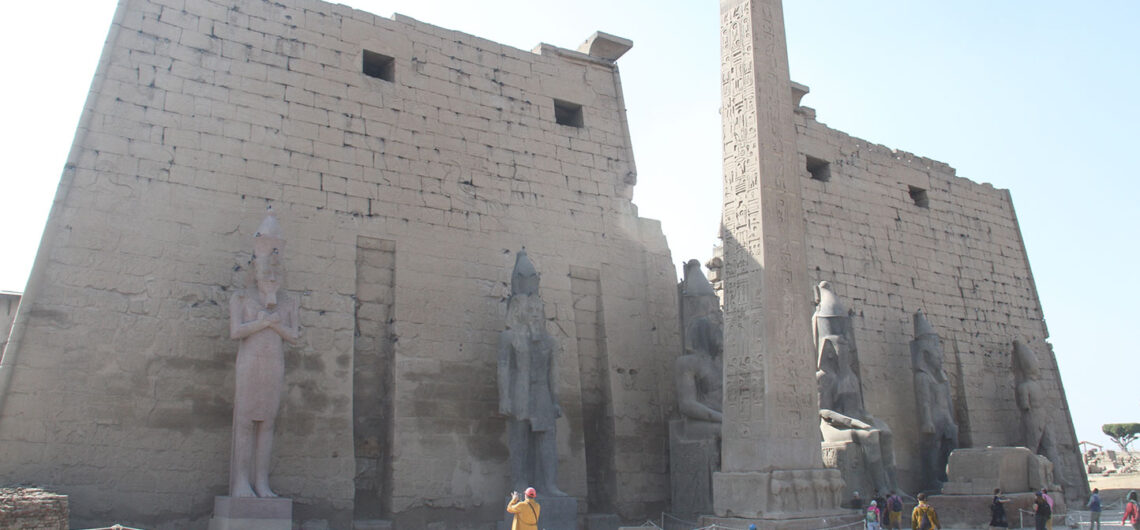
Luxor Temple in Luxor, Egypt – Egyptian Temples Discover the history of the Pharaonic civilization "Ancient Egypt History" and how the Ancient Egypt civilization began and ended by learning about the most important archaeological funerary Mortuary Temples in the tourist city of Luxor “Thebes”. Luxor Temple includes the largest number of Egyptian Monuments, as it is considered one of the best Egypt Archaeological Sites that tells us the secrets of the lives and Egyptian Pharaohs kings. Luxor Temple Facts Who was responsible for building the Luxor Temple and to whom was it dedicated? King Amenhotep III "Eighteenth Dynasty of Egypt" began building the Luxor Temple on the eastern bank of the Nile River in the city of Thebes (currently Luxor), and then King Ramses II of the Nineteenth Dynasty of Egypt in the The New Kingdom, one of the most famous Pharaohs, completed it. It was dedicated to the worship of the God Amun, one of the most important ancient Egyptian deities - Ancient Egyptian gods and Goddesses, as in the Ancient Egyptian religion and the religious beliefs of the pharaohs.. Construction date: mid-1350-1400 BC. Length: 803 feet. Width: 181 feet. Why was Luxor Temple built? There are speculations from Egyptology who believe that King Amenhotep III of the Eighteenth Dynasty of Egypt built this temple to please the priests of Amun and the High Priest of Amun, and to bestow legitimacy on himself and obtain the Coronation of the Pharaohs by recording the story of his birth from the god Amun as in the stories of the myths of the pharaohs "Egyptian Mythology" and Ancient Egyptian Literature. The wedding feast of the God Ra to his wife was celebrated once a year. The god's procession moved from the Karnak Temple complex along the Nile to the Luxor Temple. The entrance to
Luxor Temple in Luxor, Egypt – Egyptian Temples Discover the history of the Pharaonic civilization “Ancient Egypt History” and how the Ancient Egypt civilization began and ended by learning about the most important archaeological funerary Mortuary Temples in the tourist city of Luxor “Thebes”. Luxor Temple includes the largest number of Egyptian Monuments, as it is considered one of the best Egypt Archaeological Sites that tells us the secrets of the lives
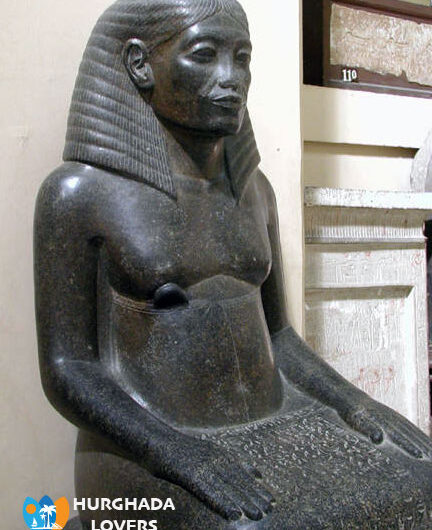
Amenhotep, son of Hapu - Egyptian Pharaohs Historical facts about the architect Amenhotep ibn Habu in the ancient Pharaonic civilization of Egypt, who built the Luxor Temple and the Hypostyle Hall in the Karnak Temple in the city of Luxor, and more secrets of the history of the Pharaonic civilization "Ancient Egypt History".. Amenhotep, son of Hapu Facts Engineer Habu, or Amenhotep bin Habu, is an architect and a well-known priest from the ancient Egyptians. Habu, or Habu, held a group of important positions during the reign of King Amenhotep III, the most famous Egyptian Pharaohs kings from the Eighteenth Dynasty of Egypt during The New Kingdom. Learn about another set of information about the engineer Habu. Below. Engineer Habu was born in the 15th century BC in an area called Atrip, while he died in the 14th century BC.. There is a statue of Amenhotep bin Habu in The Egyptian Museum “Museums in Cairo” in Tahrir Square, and this is evidence of his fame and indicates the development of the art of Sculpture in Ancient Egypt and Architecture in ancient Egypt. There is a group of inscriptions that describe to us the life of the engineer Habu, like his mother, who was at the end of the reign of King Thutmose III and in the town of Atreb, which is currently Banha.. Habu was born to commoner parents: the father, Habu, and the mother, Itu“. Habu's first job was as assistant to the king's scribe, but after that he became a conscript in the army Military of ancient Egypt. Habu was organizing and counting the recruits and this was part of the king's war project. Habu was given a number of titles that were the jobs he held during his life, including supervisor of priests and clerk of recruits..
Amenhotep, son of Hapu – Egyptian Pharaohs Historical facts about the architect Amenhotep ibn Habu in the ancient Pharaonic civilization of Egypt, who built the Luxor Temple and the Hypostyle Hall in the Karnak Temple in the city of Luxor, and more secrets of the history of the Pharaonic civilization “Ancient Egypt History“.. Amenhotep, son of Hapu Facts Engineer Habu, or Amenhotep bin Habu, is an architect and a well-known
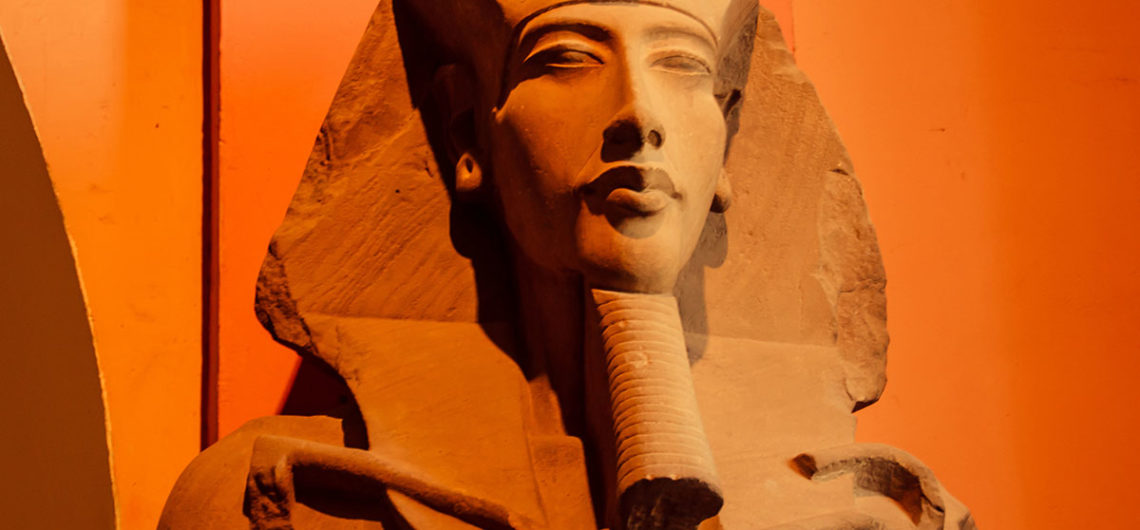
King Akhenaton - Egyptian Pharaohs kings - Eighteenth Dynasty of Egypt - The New Kingdom Facts Akhenaten, Akhenaton, Echnaton, Amenhotep IV | Secrets & Famous Egyptian Pharaohs kings Ancient Egypt History & the secrets of the life of Amenhotep IV "Amenophis IV", leader of the religious revolution to unite beliefs and gods in the Pharaonic Ancient Egypt. Ruling period in Ancient Egyptian Government: 1353–1336 BC Sentence period: 17 years. Father: King Amenhotep III. Mother: Queen Tiye Wife: Queen Nefertiti, Queen Kiya, Queen Ankhesenamun "Female Pharaohs". Children: Queen Meritaten, Princess Meket Aten, Princess Ankhesenamun, Princess Neferneferi Ra, Princess Setna Ra, the most famous Pharaonic queen of Egypt, King Tutankhamun. Pharaonic antiquities of King Akhenaten Stone statues to indicate the development of Sculpture in Ancient Egypt. The Temple of Amenhotep IV in the Karnak Temple Complex in Luxor, Thebes, southern Egypt. Royal Tomb No. 25 and Tomb KV55 in the Valley of the Kings Tombs. Royal Tomb of Akhenaten “Amenhotep Iv” at Tell el-Amarna in Al Minya. King Akhenaton | Facts Akhenaten, Echnaton, Amenhotep IV King Amenhotep IV wanted to appear as a symbol of fertility or as an idol bearing both masculinity and femininity by drawing scenes of himself with sagging abdomen and chest area, large buttocks, fishy lips, a large chin, and a long, thin face. After the death of the king, a person claiming power ruled king Smenkhkare for several years he ruled the throne Ancient Egypt so far and He received the Coronation of the Pharaohs, no discovery has been recorded that tells who this person is. The first Pharaonic king had an idea about the worship of God Ra, It is the disk of the sun and united worship The Egyptian Gods. King Akhenaton assumed the throne of ancient Egypt after the death of his father King
King Akhenaton – Egyptian Pharaohs kings – Eighteenth Dynasty of Egypt – The New Kingdom Facts Akhenaten, Akhenaton, Echnaton, Amenhotep IV | Secrets & Famous Egyptian Pharaohs kings Ancient Egypt History & the secrets of the life of Amenhotep IV “Amenophis IV”, leader of the religious revolution to unite beliefs and gods in the Pharaonic Ancient Egypt. Ruling period in Ancient Egyptian Government: 1353–1336 BC Sentence period: 17 years. Father: